
In today’s modern world, where speed, cost savings, and flexibility in construction are of great importance, modular homes have emerged as one of the most advanced construction methods. These types of homes, utilizing modern technologies and modular design, enable the construction of residential, commercial, and office structures in the shortest possible time and with the highest quality. The use of modern materials such as wooden thermowall, lightweight wall coverings, insulation panels, and energy-efficient systems has made modular homes not only aesthetically pleasing but also functionally superior. In this article, we intend to fully introduce the modular home. Stay with us.
What is a modular house?
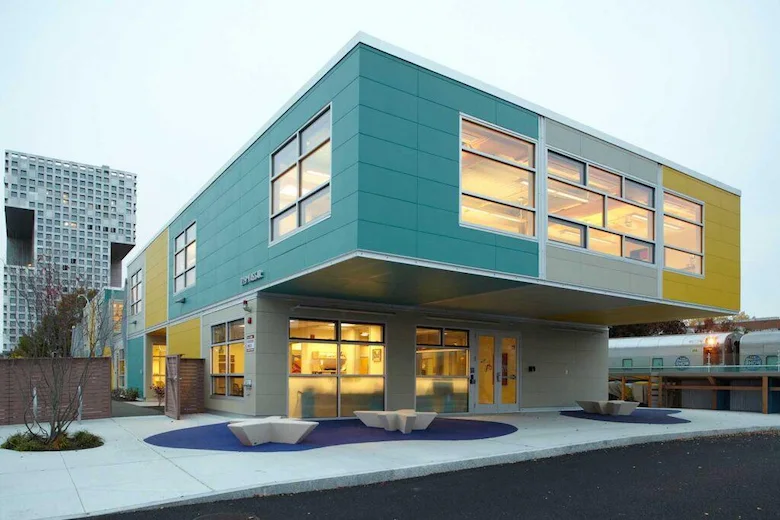
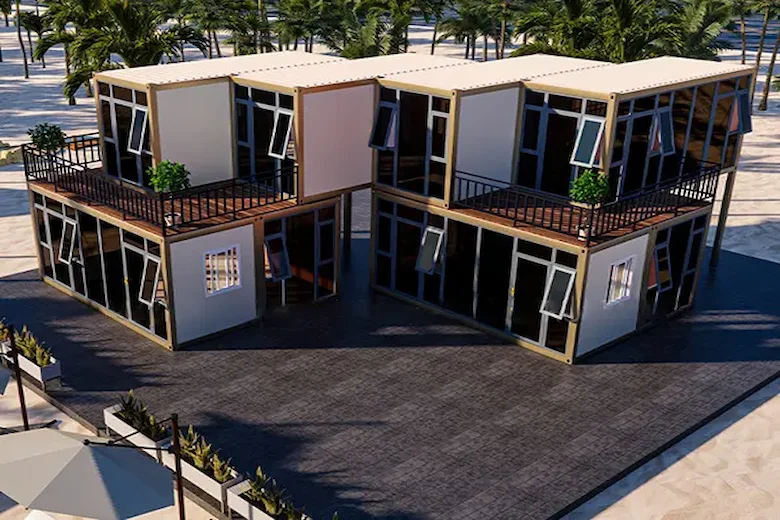
A modular house is a type of prefabricated structure that is made of independent and repeatable units called modules and is manufactured in a factory and then transported to the installation site. These types of houses are designed using modern construction technologies in a way that is much more economical than traditional houses in terms of both construction time and cost. Modular houses have high customization capabilities and can be implemented in various architectural styles, including modern, minimal, or traditional. The most important features of this type of structure include high earthquake resistance, transportability, standard insulation, and the use of environmentally friendly materials.
Modular home construction has become very popular in developed countries due to its high speed, controlled quality, and resource efficiency, and is considered a smart solution to address urban housing challenges. If you are looking to build a durable, beautiful, and quick-to-build home, a modular home can be a smart and economical choice.
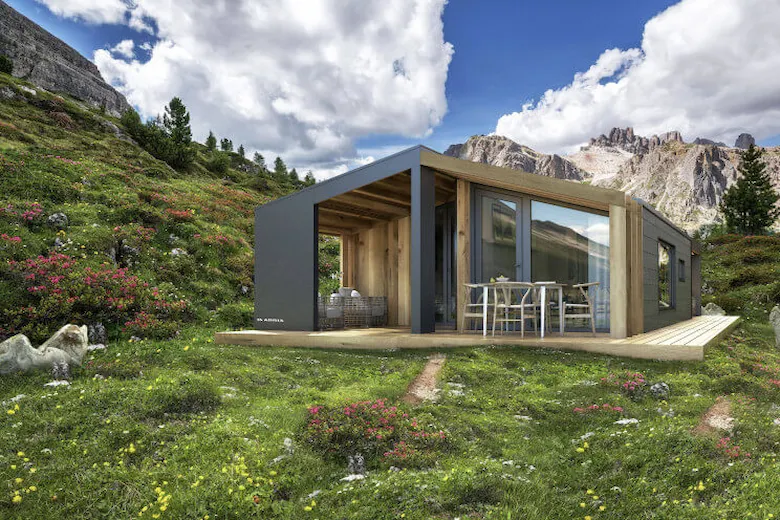
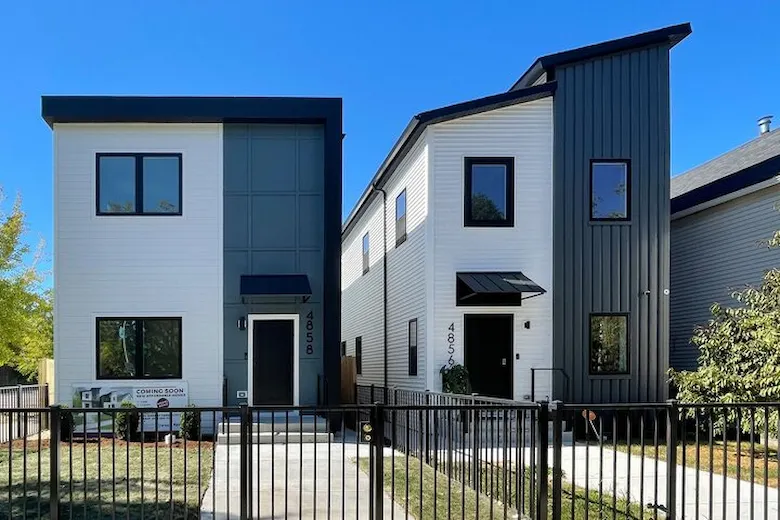
What are the components of a modular home?
A modular home is made up of several pieces of equipment and parts, each of which has its own specific function. In this part of the article, we are going to introduce and review the components of a modular home. Stay with us.
Light Steel Frame (LSF) or Galvanized Steel
In the construction of modular houses, light steel frame (LSF) or galvanized steel is used as the main skeleton. This type of structure is an ideal choice for modular projects due to its low weight, high resistance to earthquakes and moisture, and high speed of implementation. The parts of this structure are manufactured in the factory and assembled on site with bolts, which reduces human errors and increases execution accuracy. The use of LSF in modular houses also saves energy and increases the useful life of the building.
Thermal and acoustic insulation
In modular houses, the use of high-quality thermal and acoustic insulation is essential to ensure the thermal and acoustic comfort of the residents. Rock wool, as a fire-resistant thermal and acoustic insulation, is one of the popular options in this field. Polyurethane and XPS are also used as lightweight, durable, and highly efficient insulation in the walls, floors, and ceilings of modular homes. These insulations help reduce energy consumption, lower heating and cooling costs, and provide a quiet, comfortable environment.
Wall coverings and Interior Coatings
Modular home interior coatings include thermowall, drywall, MDF, or PVC wall coverings, which are selected depending on the interior design style. Drywall is a common choice due to its light weight, quick installation, and ability to be painted or wallpapered. MDF is suitable for more luxurious environments, and PVC is a waterproof and cost-effective option for wet spaces such as bathrooms and kitchens. Choosing the right interior coating has a great impact on the beauty and durability of a modular home.
Connection and assembly tools (bolts, nuts, spot welders)
One of the important parts in the implementation of a modular house is the connection tools. Industrial bolts, anchor bolts and spot welders play a vital role in connecting different parts of the structure. These tools make the assembly operations fast, safe and accurate. Unlike traditional buildings that require masonry operations, in modular houses these tools have replaced traditional connections and play an important role in accelerating the construction process.
Roof and Roofing (Galvanized Sheet, Shingles, Insulation)
For the roof covering of modular houses, colored galvanized sheets, water and heat resistant shingles, or insulation are usually used. These coatings should be light, durable, and resistant to various weather conditions. Galvanized sheets are a suitable option for windy and rainy areas, while shingles give the building a more beautiful and classic look. Proper roof construction and insulation have a direct impact on the lifespan of the house and prevent water and moisture from penetrating.
Double or triple glazed UPVC or aluminum windows
In a modular house, it is essential to use double or triple glazed windows with UPVC or aluminum frames. These types of windows not only act as thermal and acoustic insulation, but also help reduce energy consumption and create a quiet environment. UPVC windows are lightweight, rust-proof and easy to maintain, while aluminum frames are more durable in harsh weather conditions. Choosing the right windows for a modular home plays an important role in optimizing energy consumption and increasing the value of the building.
Flooring (laminate, ceramic, vinyl flooring)
Choosing the right flooring for a modular home is very important, both in terms of durability and aesthetics. Laminate flooring is a popular choice due to its quick installation, high resistance to wear and tear, and variety of designs. Ceramics are used in wet spaces such as bathrooms and kitchens, and vinyl flooring is also known as a waterproof and cost-effective option. By choosing the right flooring, you can design the interior of your home beautifully, modernly, and functionally, and also save on maintenance and cleaning.
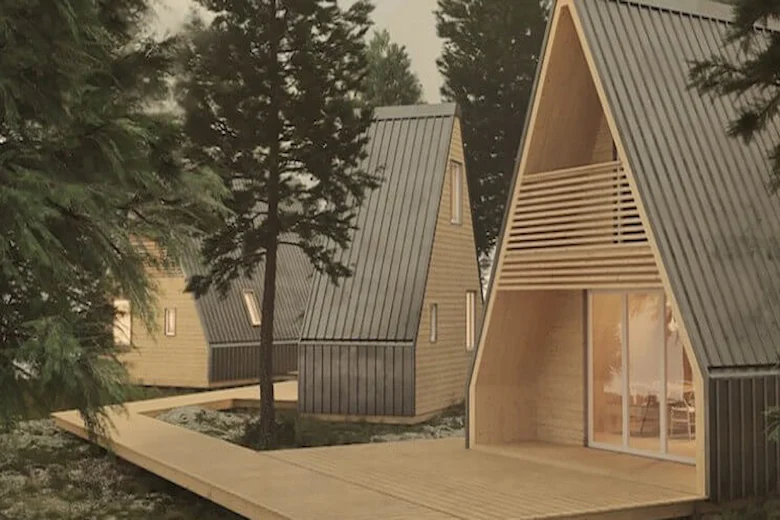
A comprehensive step-by-step guide to building a modular home
As you know, to implement a modular home, a series of steps must be followed in a specialized, organized, and professional manner to achieve the best outcome. These steps include:
Studying the needs and preliminary design of a modular house
The first step in implementing a modular house is to carefully examine the needs of the project and prepare a preliminary design with the help of expert architects and engineers. At this stage, the use of the space (residential, villa, office or commercial), the number of rooms, the architectural style, the location of the land, and even climatic and urban restrictions must be considered. The design of a modular house is usually modular and expandable, so that sections can be added to it in the future. The precise selection of module dimensions, the location of windows and doors, the type of materials, and the installation systems are determined at this stage and form the basis for the success of the project.
Preparing the land and preparing the implementation site
After the design, the second step in implementing a modular house is preparing the installation site. At this stage, the land in question must be examined in terms of soil resistance, level, and access to infrastructure. Then, excavation, leveling, drainage, and lightweight foundations (such as point or strip foundations) are carried out depending on the type of structure. Unlike traditional construction, the foundation of a modular house is simpler, faster, and cheaper to build. It is important to use materials that are resistant to moisture and environmental conditions at this stage to provide a safe and durable foundation for the modules.
Manufacturing the modules in the factory
In the third stage, the construction of the modular house modules begins in the factory. This section includes the production of a metal or wooden frame, the installation of external and internal walls, the implementation of the electrical and plumbing system, and the installation of windows, doors, and interior coverings. This operation is carried out in a controlled environment, which increases accuracy, construction quality, and reduces material waste and construction time. At this stage, it is also possible to apply specific customizations such as the choice of flooring, wall color, cabinets, or ventilation system. The production of modules in the factory is one of the biggest advantages of a modular house, which greatly reduces the project implementation time.
Transportation and transfer of modules to the project site
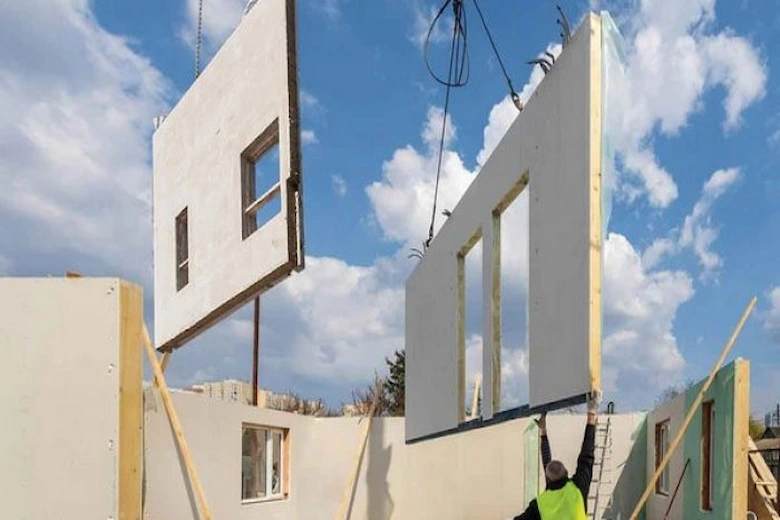
The fourth stage is the transportation of the manufactured modules from the factory to the project site. This transfer is carried out using special heavy-duty trucks or standard trailers. At this stage, the access route to the project site, traffic restrictions and city permits for transportation must be considered. The modules are designed to have the necessary resistance to transportation shocks and to be easily installed on site. This process must be carried out with high precision and in full coordination between the executive and transportation teams to prevent damage to the parts.
Assembly and connection of modules on site
At this stage, the modules are connected together at the project site using specialized tools such as cranes, industrial bolts and nuts and spot welding machines. The precise connection of the modules to the foundation and to each other is of great importance, as it ensures the safety, strength and stability of the structure. The electrical, water, gas and ventilation systems are also connected to each other and connected to the city network at this stage. One of the advantages of the modular house in this sector is the fast implementation without the need for heavy construction operations, which leads to significant savings in time and cost.
Final inspection, performance testing and delivery of the house
The last stage in the implementation of the modular house is the final inspection of the quality of construction, testing of the performance of the facilities and delivery of the project to the employer. At this stage, all components, including the electrical system, plumbing, insulation, windows, doors and module connections, are carefully checked and tested to ensure their correct operation. Also, if there are any defects or the need for final adjustments, additional operations are carried out. After final approval, the modular house is ready for operation and can be delivered to the employer. This stage is of great importance in achieving customer satisfaction and ensuring the longevity of the structure.
What are the advantages of a modular home?
Building and using modular homes has various advantages, and in this section we will examine the most important of these advantages:
Very high speed of implementation in modular house construction
One of the main advantages of modular houses is their high speed of construction and installation. Unlike traditional buildings that sometimes take months or even years, modular houses are ready for use in a much shorter time. The reason for this high speed is the simultaneous construction of modules in the factory and the implementation of the foundation at the project site. This feature is a great advantage, especially for residential projects, labor camps, holiday villas and even emergency medical centers that require quick installation. As a result, modular houses will be a smart choice to save time and quickly use the structure.
Economic savings in construction and operation costs
Modular houses are significantly more financially efficient than traditional construction. Reduced construction waste, efficient use of materials, less manpower, and shorter construction time all contribute to reducing overall project costs. On the other hand, construction in a controlled factory environment leads to reduced human errors, rework, and unexpected costs. Also, due to better insulation and the use of modern technologies, modular homes have lower maintenance and energy costs over time. These things make modular homes a very cost-effective option not only during construction, but also throughout their useful life.
Environmentally friendly and reduced construction pollution
Modular home construction is considered a sustainable and environmentally friendly option in the construction industry. Due to the production of modules in the factory, the amount of construction waste, dust, noise, and site pollution is greatly reduced. Also, the use of recycled materials, low-energy systems, and the ability to recycle modules at the end of their useful life align this type of construction with the principles of sustainable development. By reducing their carbon footprint and increasing energy efficiency, modular homes are an ideal option for people who care about preserving the environment.
Easy to move, expand, and customize
One of the unique advantages of modular homes is their high flexibility in design, development, and even relocation. Unlike traditional buildings, the modular structure of these homes allows you to expand your living space in the future by adding new modules. In some models, it is even possible to move the entire house to a new location. This feature is very practical for businesses such as mobile offices, work camps, and villa homes. Also, in the initial design, the color, exterior, interior layout, and even the type of heating and cooling system can be adjusted according to the customer’s taste, which increases the attractiveness of the modular home.
How is the design of a modular house decoration?
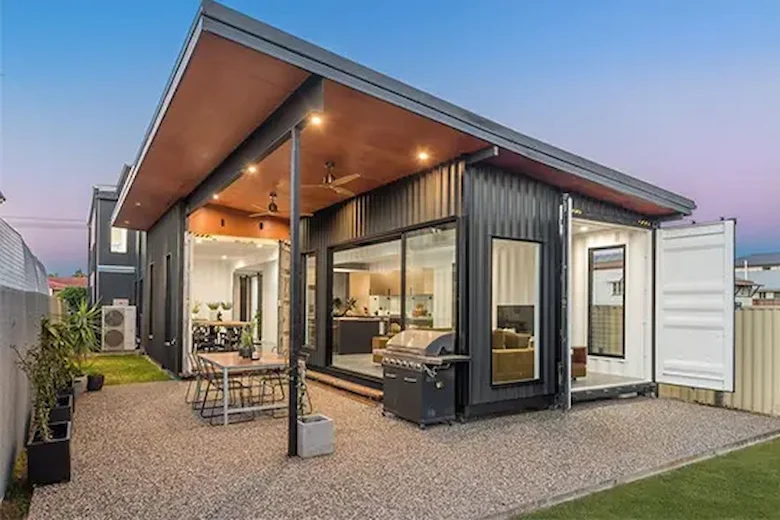
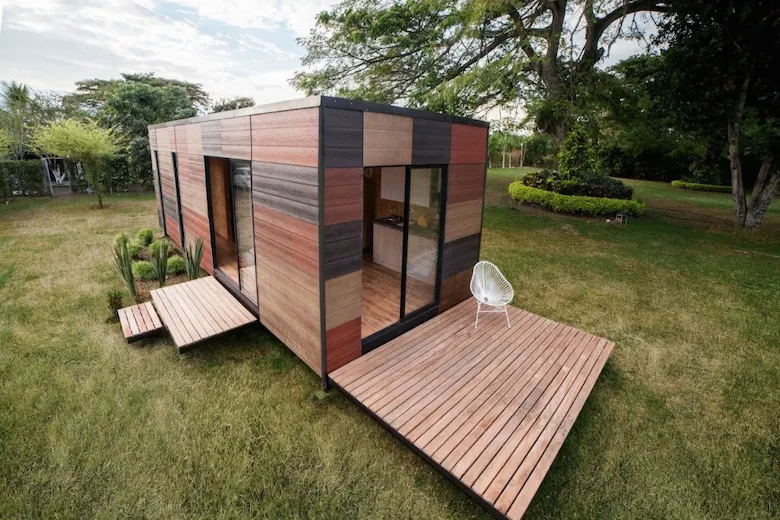
Interior decoration design in a modular house is one of the most important parts that can significantly improve the visual identity and quality of life of the residents. Contrary to popular belief, modular houses do not have any specific restrictions on layout and design, and due to their modular and changeable structure, they provide the opportunity to create a completely personalized space. In these types of houses, a warm, natural and stylish look can be given to the space by using modern materials such as wooden thermowall for interior wall coverings. Thermowalls are not only excellent thermal and acoustic insulation, but also, due to their lightness, they are considered perfectly suitable for modular houses.
Smart use of natural light, small and multifunctional furniture, bright and light-reflecting colors, and minimal decorative elements can make the interior of these houses appear larger and more pleasant. Designing a modular home is an opportunity to combine functionality with modern aesthetics, in a space that is completely flexible and adaptable to everyday needs.
The role of construction consulting in modular home construction
Construction consulting is very key and vital in modular home projects, because these types of structures require careful planning, inter-team coordination, and the use of specialized technical knowledge. An experienced construction consultant can accompany the project from the very initial stages, such as selecting a suitable land, examining climatic conditions, designing modules, selecting optimal materials such as prefabricated panels or wooden thermowall, to the precise implementation of the foundation and installation of modules. With the help of a professional consultant, possible errors in design and implementation are reduced, project delivery time is shortened, and costs are controlled in a targeted manner. Consulting also plays an important role in optimizing the performance of the house in selecting modern technologies such as ventilation systems, insulation, solar energy, and interior decoration design.
Final words
As you have seen, in this article we have thoroughly introduced and reviewed the modular house. We have learned that modular houses are a clear representative of the future of the construction industry; a future in which speed, quality, economic savings and respect for the environment are together. These structures, using smart materials such as Thermowall, provide users with the ability to move, customize and expand, and are therefore an ideal option for families, businesses and public projects. Thank you for your support.
Nobility Construction Group specializes in the design and implementation of various types of LSF structures, kit house, decoration design, construction consulting, design and implementation of wooden panels, as well as asset and property management in Greece. Dear friends, you can contact us for more information and free consultation.