
Green architecture is one of the most important new approaches in the design and construction of buildings, which has been formed with the aim of reducing negative impacts on the environment and improving the quality of human life. This architectural style emphasizes principles such as energy efficiency, optimal management of water resources, the use of sustainable materials, climate-friendly design, and improving indoor air quality. In addition, green architecture not only saves costs and increases the durability of structures, but also plays a significant role in creating healthy, beautiful spaces that are in harmony with nature. In this article, we intend to introduce green architecture from 0 to 100. Stay with us.
What is green architecture?
Green architecture, or sustainable architecture, is a new approach to building design and construction that aims to reduce negative impacts on the environment and increase energy efficiency. In this architectural style, choosing environmentally friendly materials, making optimal use of natural resources such as sunlight, water, and wind, and designing structures with minimal energy consumption are prioritized. In addition to saving energy costs, green architecture improves the quality of life of residents and creates a healthier and more nature-friendly environment. This type of architecture not only helps reduce pollution and waste, but also plays a key role in combating climate change, and for this reason has become one of the main indicators in modern design and urban planning of the future.
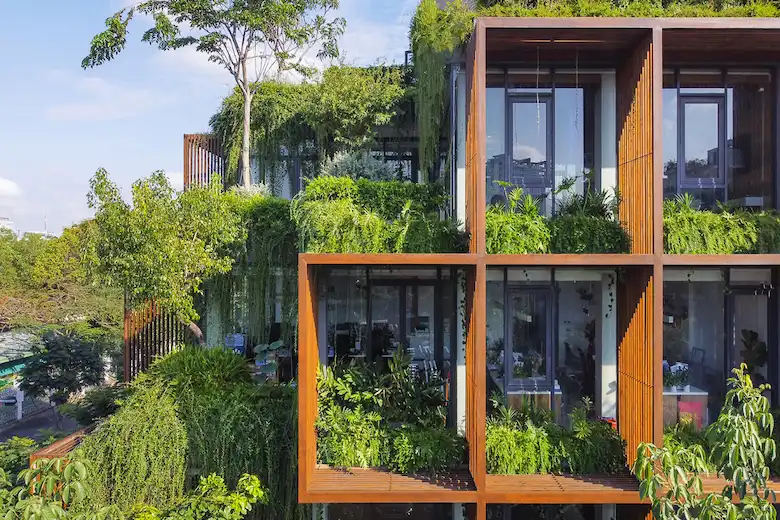

Principles of Green Architecture
But in order to be able to create a residential or commercial structure with green architecture, you need to take advantage of its principles to ultimately have a safe and standard structure. These principles include the following:
Energy Efficiency
One of the important principles of green architecture is energy efficiency. In this approach, buildings are designed in such a way that energy consumption in heating, cooling, lighting and ventilation is minimized. The use of double-glazed windows, thermal insulation systems and smart equipment reduces costs and reduces the destructive effects on the environment.
Use of sustainable materials
Choosing environmentally friendly materials such as processed wood, recycled concrete or lightweight bricks is one of the key principles of green architecture. These materials, while increasing the lifespan of the building, also allow for the reduction of construction waste. In this section, using wooden thermowall as a modern and resistant option can give the building high durability in addition to beauty.
Optimal water management
In green architecture, designing water storage and recycling systems is very important. Using water-saving devices, collecting rainwater, and reusing gray water for irrigation or washing are examples of this principle. These methods not only help conserve resources, but are also of great value in areas with water shortages.
Climate-friendly design
In green architecture, paying attention to the climatic and environmental conditions of the region is very important. The building should be designed in accordance with the air temperature, wind direction, and solar radiation to minimize energy consumption. For example, using Thermo wood in the facade can, in addition to being beautiful, create high resistance to climate change and create greater harmony between the building and nature.
Improving indoor air quality
Another principle of green architecture is creating a healthy environment for residents. Using appropriate ventilation systems, indoor plants, and low-hazard materials improves indoor air quality. In addition, designing appropriate windows and openings increases natural air flow and creates a healthier life in the space.
Integration of new technologies
Green architecture always uses new technologies to increase efficiency. The use of smart systems in energy management, lighting, and building security are among the most important of these. For example, using a smart home can significantly reduce energy consumption and at the same time improve the well-being and comfort of residents.
Flexible design
Green architecture requires designing spaces that allow for change of use and diverse use. This flexibility increases the useful life of the building and reduces the need for heavy renovations. In the meantime, utilizing the experience of experts in the form of construction consulting helps to make the best decisions in choosing the style, materials, and technologies used.
Development of modular and prefabricated buildings
Another principle of green architecture is the construction of modular buildings and movable structures. This type of design, in addition to its high speed of implementation, minimizes construction waste. In this context, options such as kit house, home kit, and prefabricated house play a prominent role because they are built with the least damage to the environment and the greatest resource efficiency, and they meet the needs of sustainable architecture.
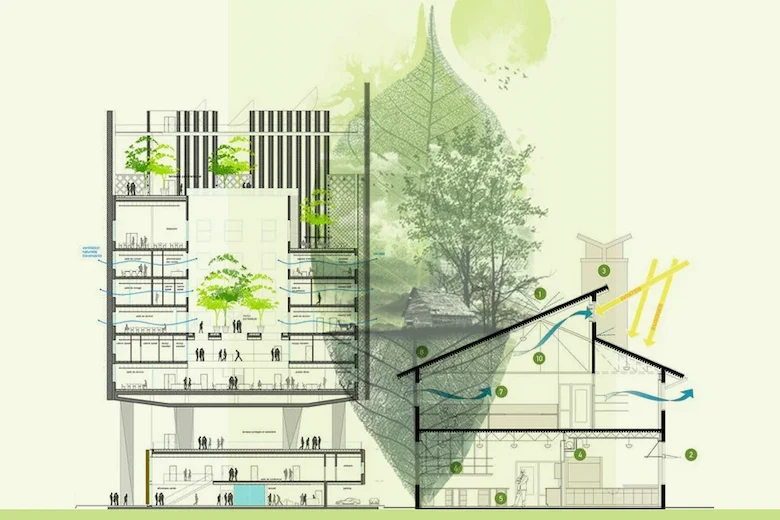
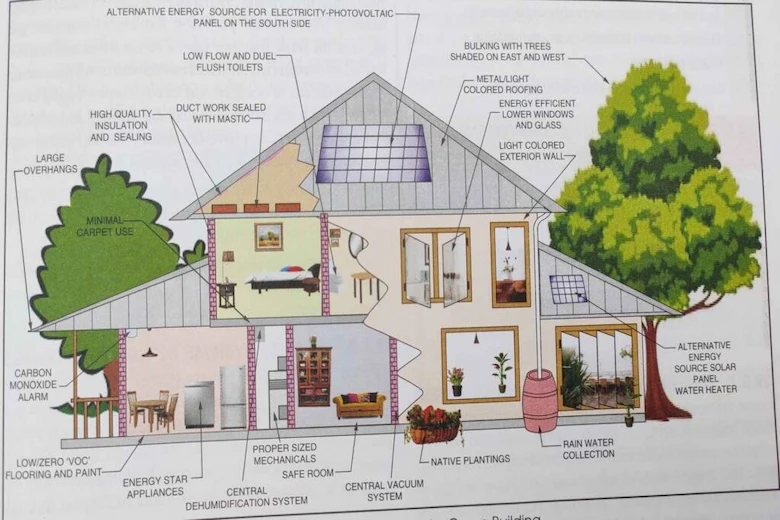
What are the benefits of green architecture?
Using the principles and practices of green architecture can have many positive effects on the environment around us. But this is not all its benefits. Join us as we introduce the benefits of green architecture in this section:
Reducing energy consumption and costs
One of the most important benefits of green architecture is reducing energy consumption and, consequently, reducing the running costs of the building. The use of appropriate insulation systems, natural light, and low-energy equipment causes buildings to require less energy for heating, cooling, and lighting. This feature not only saves money but also has a direct impact on reducing greenhouse gas emissions.
Improving the quality of life
Green architecture plays an important role in improving the quality of life of residents by creating healthier and more natural spaces. The use of proper ventilation, natural light, and non-toxic materials makes the indoor environment healthier and provides greater well-being for people. This architectural style is also in harmony with the principles of interior design and exterior decoration design and creates a pleasant and balanced atmosphere.
Conservation of natural resources
Another prominent advantage of green architecture is the optimal use of natural resources. By using techniques such as rainwater collection and reuse of gray water, the consumption of limited resources is reduced. Also, spaces are designed in such a way that minimal damage is caused to the environment. Even in the field of exterior decoration, green architecture creates complete harmony with the surrounding environment by choosing sustainable and natural materials.
Increasing the durability and lifespan of the building
In green architecture, materials and methods are used that have high resistance to weather conditions and erosion. This increases the durability and lifespan of the building and reduces the need for constant renovation and repairs. For example, the use of new technologies such as the LSF structure, in addition to being light and strong, also speeds up construction and reduces construction waste, which is completely in line with sustainability goals.
Increase Property Value
Buildings built with green architectural principles typically command higher market value due to lower utility costs, increased durability, and a healthier environment to live in. In addition, attention to important details such as bathroom design with energy-efficient, environmentally friendly materials demonstrates a commitment to sustainable standards and increases the property’s appeal to buyers and investors.
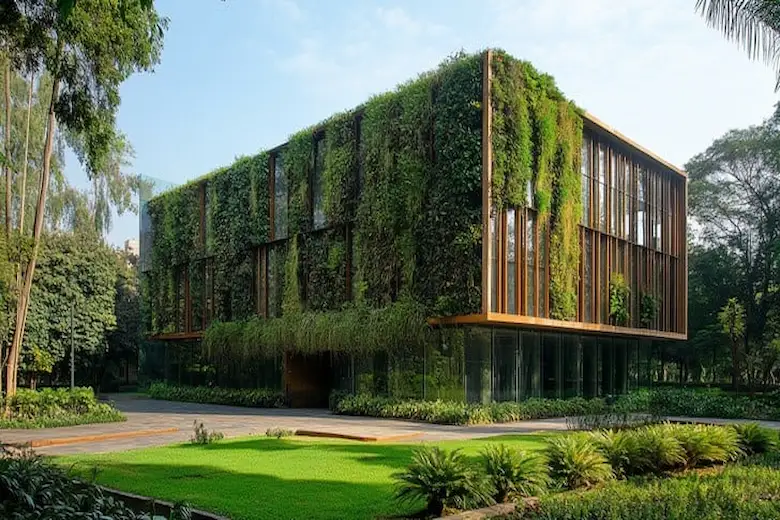
Effects of Green Architecture on the Environment
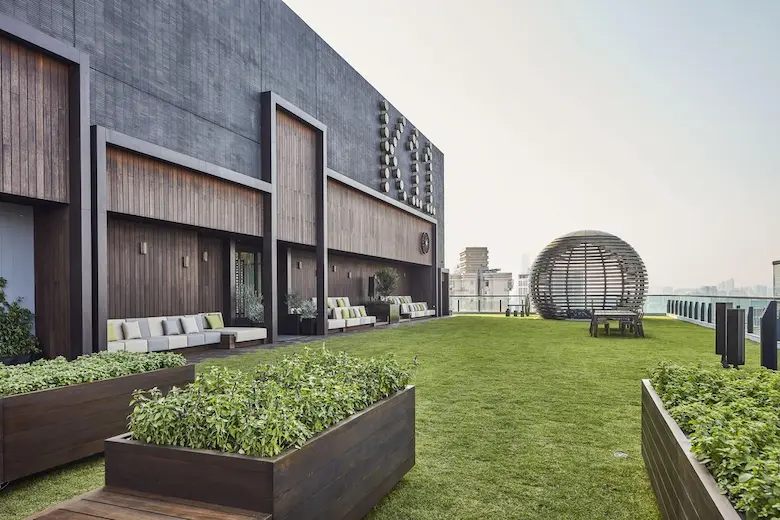
Green architecture has a significant impact on the environment because it plays an important role in maintaining ecological balance by focusing on reducing energy consumption, making optimal use of natural resources, and using sustainable materials. This approach helps combat climate change by reducing construction waste and preventing greenhouse gas emissions. Green architecture also minimizes pressure on the earth’s limited resources by designing spaces that take advantage of sunlight, natural ventilation, and water recycling systems. In addition, the harmony of green architecture with the surrounding environment increases biodiversity and creates a healthier and more sustainable city. For this reason, the development of this architectural style is considered one of the most effective solutions for protecting nature and improving the quality of life of future generations.
Final Words
As you can see, in this article, we introduced green architecture from 0 to 100. We learned that green architecture is more than a design style, it is a philosophy of sustainable living and construction, the benefits of which will be tangible not only for the building’s occupants but also for the entire society and the environment. This approach is a smart response to the needs of the present era by reducing energy consumption, conserving natural resources, improving individual health, and enhancing property value. Although implementing the principles of green architecture requires awareness, planning, and specialized advice, its results will be visible in the long term in the form of a more sustainable city, a healthier environment, and a better quality of life for future generations. Thank you for your support.
Nobility Construction Group specializes in construction consulting, kit house construction, decoration design, LSF structure construction, creating various types of Thermowall wooden wall coverings, as well as asset and property management and operates in Greece. Dear friends, you can contact us through communication bridges for more information and free consultation. You can also visit our projects page to get more complete information about us and learn about our services. We are ready to introduce you to current issues in the construction world on the Nobility Construction blog.