
Wooden Thermowall
In the world of architecture and interior decoration design, the use of wooden thermal insulation as a modern and durable building material has gained great popularity. This type of wood, which is obtained from a special thermal process, has unique properties that make it ideal for use in indoor and outdoor spaces. Among its advantages are high resistance to moisture, temperature changes and atmospheric factors, aesthetic appearance and long-term durability. Given the variety of materials and processes used in the production of wooden thermal insulation, knowing how to select, install and maintain it correctly can greatly help improve the quality of construction projects. In this article, we have carefully examined the features, benefits, installation steps, and factors affecting the costs of wooden thermal insulation.
Enter your phone number to receive a free Wooden Thermowall consulting
To receive Wooden Thermowall consulting, enter your number.
What is wooden thermowall?
Wood thermowall is an advanced type of wall covering made from thermowood (wood that is subjected to a special heat process under high temperatures for a certain period of time). This heat process makes the wood naturally more resistant to moisture, temperature changes, and pests. Wood thermowall, as a modern and natural covering, not only improves the aesthetic appearance of the environment, but also, due to its high resistance to environmental conditions, is known as one of the most popular choices for interior and exterior coverings of buildings, especially in humid spaces and areas with severe temperature changes.
In addition to increasing the beauty and naturalness of the space, this soundproof wall covering has features such as excellent thermal and acoustic insulation, high durability, and fire resistance. For this reason, wood thermowall has been highly regarded as a smart choice for interior and exterior design, especially in modern architecture and sustainable construction.

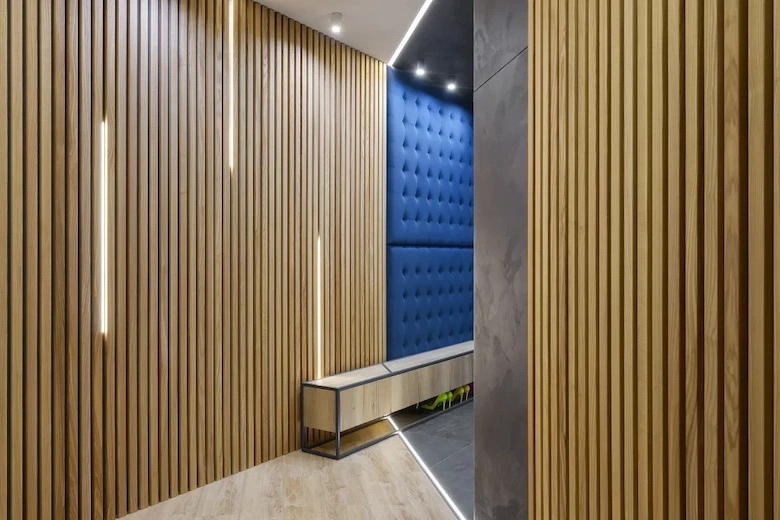
Step-by-step guide to installing wooden thermal walls
The process of thermowall installation must be carried out under certain principles to create a beautiful and standard look. These principles include the following:
1. Surface preparation and technical condition check
Before starting the installation of wooden thermowall, the first step is to prepare the surface. This step involves cleaning the wall surface of any dust, grease, and excess materials so that the installation can be done properly. You also need to make sure that the wall surface is completely smooth, dry, and free of cracks or irregularities. At this stage, it is also very important to check the moisture level of the wall. In general, wet walls can reduce the adhesion of materials and damage the wood. This step is very crucial for the stability and durability of the wooden thermal wall and allows the installation to be done correctly and the wood to adhere properly to the surface.
2. Selecting and cutting thermowood
The next step in installing a wooden thermowall is to select and cut the thermowood to the required size. Depending on the design and needs of the project, the wood must be cut to the appropriate size. This must be done carefully to maintain alignment and order in the installation. Thermowood is usually marketed in different sizes, but for optimal use, it must be cut according to the dimensions of the wall and the design pattern of the project. Care in cutting to the exact size prevents any wood waste and makes the installation faster and more efficient. Remember to use appropriate and accurate power tools when cutting wood to prevent damage to the wood.
3. Installation of the support structure (substructure)
The next step in installing a wooden thermowall is to create a proper substructure. For a successful and durable installation, you need a substructure system, usually made of wood or metal, which is responsible for supporting the timbers and keeping them in place. This substructure should be attached to the wall horizontally or vertically (depending on the type of installation) and provide regular and uniform distances between the timbers. At this stage, it is very important to pay attention to the strength and rigidity of the substructure, because any weakness in the substructure can cause a decrease in the quality and efficiency of the installation. Proper substructure not only ensures a precise and durable installation, but also helps prevent the thermal timbers from expanding or contracting over time.
4. Installing Thermowall Wood
At this stage, the wooden thermowall boards are attached to the support structure using special equipment such as screws, nails or click systems. For installation, you need to place the boards one by one in the designated places and use adhesives or stainless screws to secure them. Make sure that the distances between the boards are properly maintained during installation so that it is both aesthetically pleasing and the boards are properly ventilated. Proper spacing helps the wooden thermowall to be flexible and durable. Also, if installed outdoors, use sealants to prevent moisture from penetrating the back of the board.
5. Take care of connections and gaps
One of the important points in installing a wooden thermowall is to take care of the joints and gaps between the wood pieces. Thermowood, due to its natural nature, may change with environmental conditions. Therefore, you should be careful during installation that the gaps between the wood are uniform and regular so that there are no problems if the wood expands or contracts. Also, the joints between the wood must be strong and durable. Using screws or fasteners that are resistant to moisture and temperature changes can increase the life and durability of the installation. On the other hand, if you are using wood with coating layers, be careful that the layers are properly fastened together so that water or moisture does not penetrate inside.
6. Final finishing and protective coating
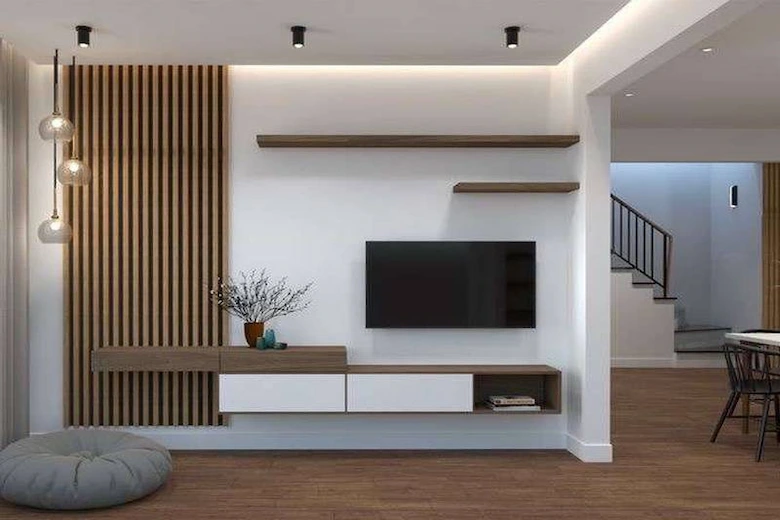
After installing the wood, the next step is the final finishing, which involves applying protective coatings to maintain the appearance and durability of the thermowood. These coatings may include special wood colors, special oils, or waterproof layers that, in addition to protecting the wood from environmental factors, increase its shine and beauty. These layers also help prevent the wood from being damaged by sunlight, rain, and other natural factors. At this stage, you should pay attention to the fact that the entire surface of the wood is evenly coated to prevent any damage or discoloration. Now you can enjoy the brilliance of this product in TV wall design, bedroom design, kitchen design, and living room design.
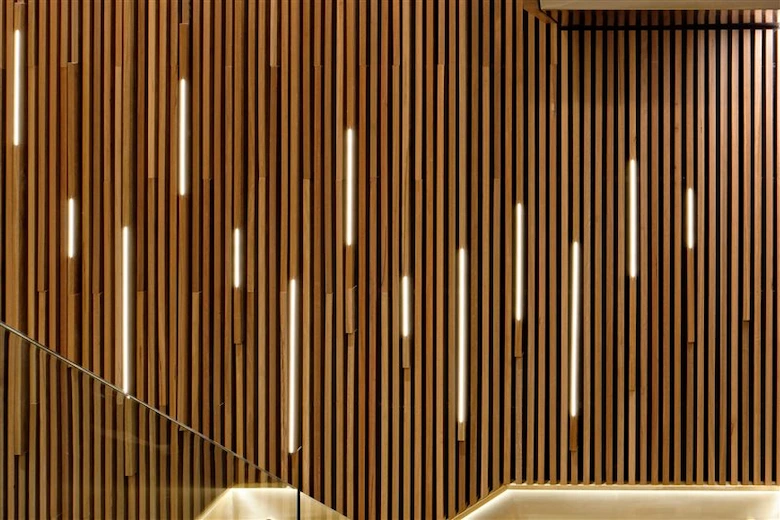
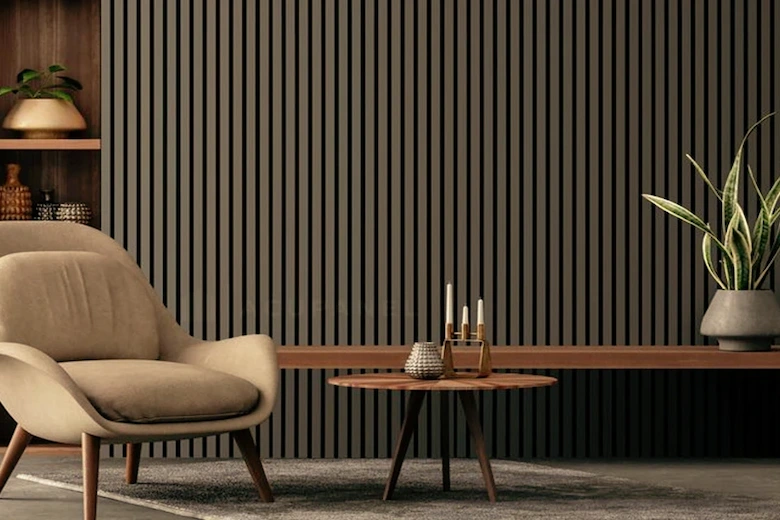
Advantages of using wooden thermowall
Using wooden thermal walls has numerous advantages, which we will examine in this section:
1. High resistance to moisture and temperature changes
One of the most important advantages of wood thermal insulation is its resistance to moisture and temperature changes. The thermal process that the wood undergoes changes the cellular structure of the wood, making it more resistant to water absorption as well as expansion and contraction caused by temperature changes. This feature makes wood thermal insulation an excellent choice for use in humid spaces such as bathrooms, saunas and outdoor environments such as building facades. Compared to natural non-thermal insulation wood, these wall coverings are less likely to crack, warp or rot, which provides a longer durability and lifespan for the building.
2. Excellent thermal and acoustic insulation
Due to its special structure, wooden thermowall naturally acts as a thermal and acoustic insulator. This feature is especially useful in the design of buildings that need to maintain the right temperature inside and reduce external noise. Due to the more compact structure it acquires after the thermal process, thermowood increases the ability to maintain temperature inside the building and causes less energy to be consumed for heating and cooling. On the other hand, these woods, due to their acoustic properties, help reduce environmental noise and sound transmission in the space, which increases comfort and tranquility in the interior of the building.
3. Resistance to pests and fungi
Another outstanding advantage of thermal wood is its high resistance to pests and fungi. The thermal process applied to the wood eliminates the conditions suitable for the growth of wood pests such as termites or woodworms, and thus thermal wood is more durable than non-thermal wood against damage caused by these pests. In addition, this process helps the wood so that fungi and bacteria that may grow on the surface of the wood in humid conditions cannot easily penetrate it. These features make thermo wood a suitable choice for humid environments or tropical regions.
4. Natural beauty and modern design
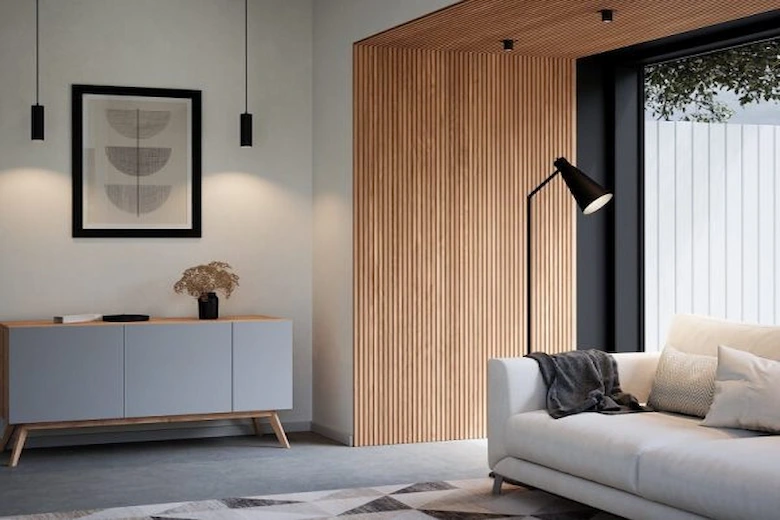
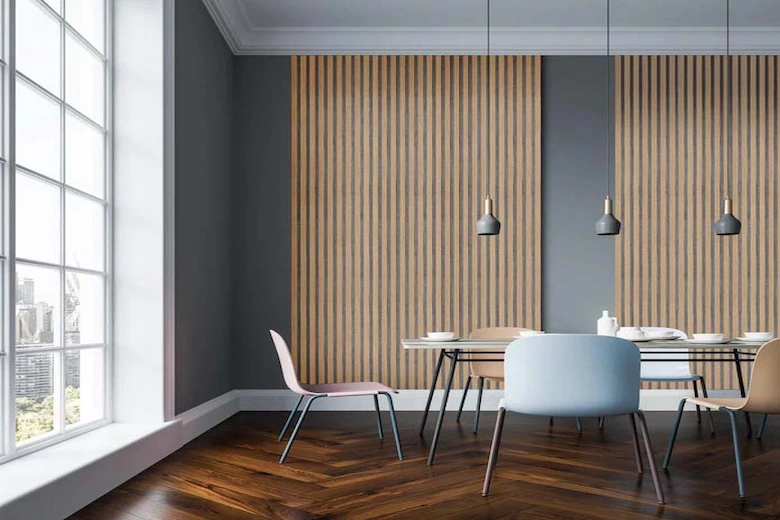
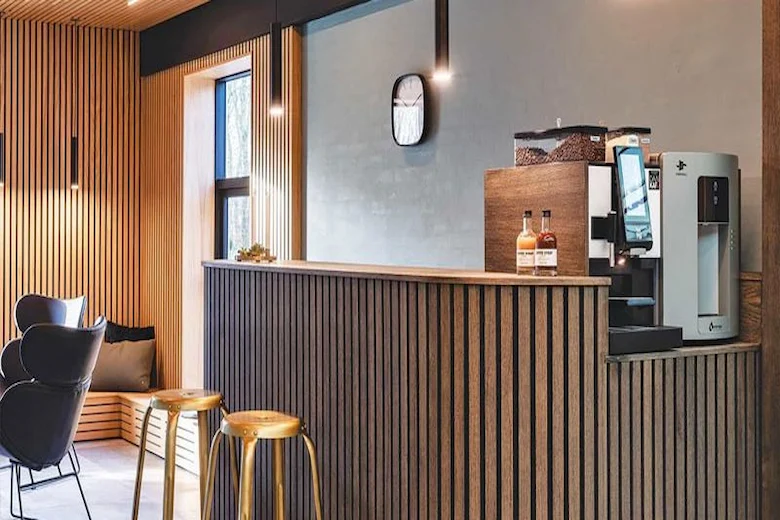
In addition to its functional features, wooden thermowall is also an excellent choice in terms of aesthetics. With its natural colors and attractive textures, thermowood adapts well to a variety of modern and natural architectural styles. Using wooden thermowall can significantly increase the beauty and luxury of the space. With a stylish and clean appearance, these wall coverings bring a touch of nature to the space and help create a pleasant and peaceful environment. Since these woods are resistant to temperature and humidity changes, their color and shape are maintained over time, which makes interior and exterior design projects with wooden thermowall have a lasting effect in addition to high performance.
5. Environmental friendliness
Another important advantage of wooden thermowall is its environmental friendliness. Thermowood is obtained from renewable natural resources and its production process is such that it has less environmental impact. Compared to other synthetic materials, wooden thermowall has a low carbon footprint and is therefore considered in sustainable and green architectural projects. These wall coverings are made from natural materials without the use of harmful chemicals and help maintain ecological balance. In addition, the use of thermowood for construction reduces energy consumption over time and creates a healthy and natural environment for residents.
Enter your phone number to receive a free Wooden Thermowall consulting
To receive Wooden Thermowall consulting, enter your number.
Factors affecting the cost of wooden thermal insulation in Greece
1. Type of wood used
2. Thickness and dimensions of the wood
3. Heating process and its quality
4. Protective coatings (paint or waterproof layers)
5. Brand and manufacturer of wood
6. Transportation cost
7. Installation cost and ancillary services
8. Geographical area of installation
9. Market conditions and demand
10. Installation design and pattern
What is the material used to make wooden thermowall?
Wood thermal insulation is a popular building material that is widely used in interior and exterior wall cladding due to its special characteristics. This material is made from thermowood (wood that is heated under specific conditions during a thermal process), which makes the wood structure more resistant and durable. In the manufacture of wood thermal insulation, pine, spruce, maple, oak and other types of weather-resistant wood are usually used. The thermo-heating process reduces the moisture content in the wood and increases its resistance to environmental factors such as moisture, fungi, and insects. This process also causes the wood to naturally turn darker and more beautiful colors, which adds to the beauty of the facade.
In some cases, protective coatings such as special waterproof paints or UV layers are added to the wood to increase resistance to sunlight and rain. These features make wooden thermal walls an excellent option for installation in exterior spaces, such as building facades. All of these factors have made it possible to use wooden thermal insulation in LSF structures and kit house structures and modular home.
The best wooden thermal insulation sales center in Greece
Nobility Construction is known as the best reference for purchasing wooden thermal insulation in Greece. By providing high-quality thermal insulation wood from the best natural resources and using advanced processes and global standards, this complex offers its customers products with unparalleled durability and beauty. With extensive experience in the field of supplying and installing wooden thermal insulation, Nobility Construction has been able to meet the diverse needs of construction projects with premium quality and competitive prices. With expert advice and professional support, this complex, as a pioneer in the Greek market, ensures that every customer is completely satisfied with their purchase.
Enter your phone number to receive a free Wooden Thermowall consulting
To receive Wooden Thermowall consulting, enter your number.
Final Words
As you can see, in this article, we have introduced and reviewed wooden thermal insulation from 0 to 100. We said that wooden thermal insulation is highly recommended as an outstanding and attractive option for installation in construction projects, especially in the exterior and interior of buildings, due to its outstanding features such as high durability, resistance to weather conditions and the natural beauty of wood. Choosing the right material, being aware of costs, and performing the correct installation steps can have a great impact on the final result. By considering these points and referring to the Nobility Construction complex, which is known as the main reference for purchasing and installing wooden thermal insulation in Greece, it is possible to achieve high-quality and durable construction projects.
Our main activities are in the fields of construction consulting, kit house, wooden thermowall, LSF structure construction, decoration design and property management. For more information, just contact us.