
Acoustic wall panels are an essential solution for improving indoor sound quality, reducing unwanted noise, and creating comfortable spaces in modern buildings. As contemporary architecture increasingly focuses on open layouts, minimalist interiors, and multifunctional environments, managing sound has become a critical part of successful building design.
Poor acoustic performance can affect communication, concentration, privacy, and overall user experience. In offices, homes, hotels, restaurants, and commercial spaces, excessive echoes and uncontrolled sound reflections can make even beautifully designed interiors feel uncomfortable.
Unlike traditional soundproofing solutions that mainly aim to block external noise, acoustic wall panels focus on controlling sound behavior inside a room. They absorb unwanted sound waves, reduce echo, and create a balanced acoustic environment while also contributing to the visual identity of a space.
Today, architects and developers increasingly integrate acoustic solutions into their projects from the early design stages. By combining technical performance with aesthetic value, acoustic wall panels have become an important element in modern interior architecture.
What Are Acoustic Wall Panels?
Acoustic wall panels are specialized interior products designed to absorb sound energy and reduce excessive noise within a room. They are usually manufactured using materials with high sound absorption capabilities, including wood fibers, polyester, fabric, foam, felt, and other acoustic materials.
When sound is produced inside a space, sound waves travel through the air and reflect from hard surfaces such as walls, ceilings, glass, and floors. These repeated reflections create echoes and increase noise levels. Acoustic wall panels help control this problem by absorbing part of the sound energy instead of allowing it to continue bouncing throughout the room.
The main purpose of acoustic panels is to improve sound clarity rather than completely block sound transmission. For example, in an office environment, acoustic treatment can help employees communicate more effectively, while in residential spaces it can create a more peaceful and private atmosphere.
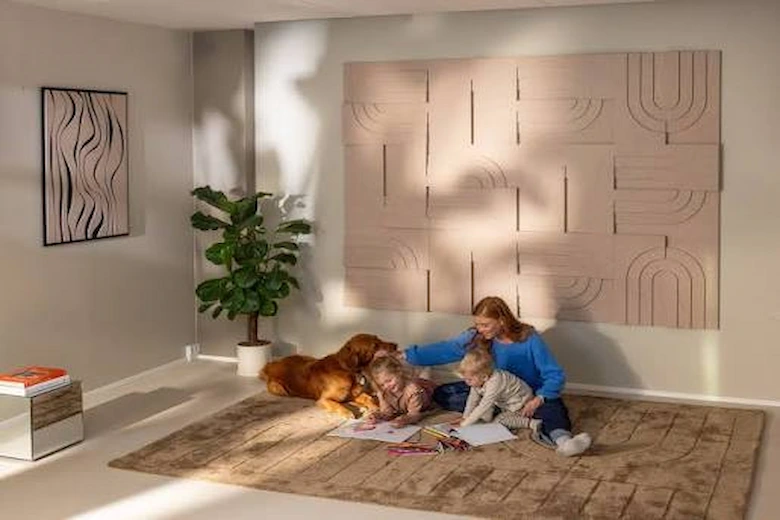
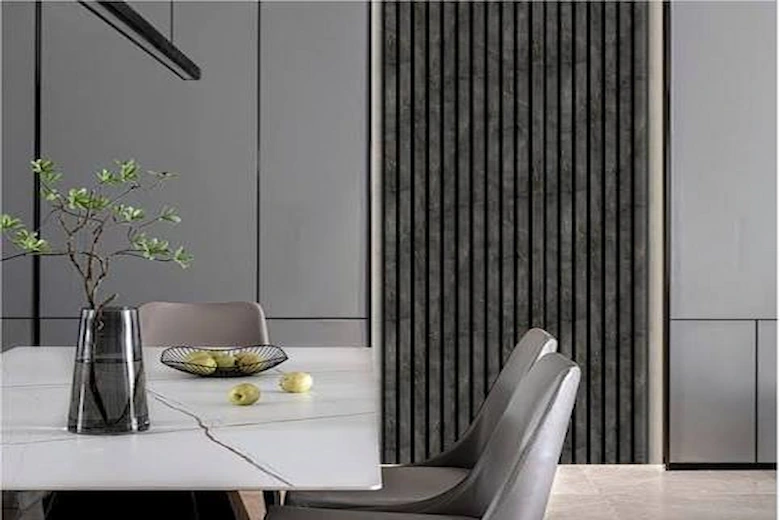
Modern acoustic solutions are available in different sizes, textures, colors, and designs, allowing architects to integrate them naturally into various interior styles.
How Do Acoustic Wall Panels Work?
The performance of acoustic wall panels is based on sound absorption principles. When sound waves reach an acoustic surface, the specialized structure of the panel reduces the energy of reflected sound waves.
Most acoustic panels contain porous or layered materials that trap sound vibrations. Instead of reflecting sound back into the room, these materials absorb and dissipate the energy.
The effectiveness of acoustic treatment depends on several factors:
- The material composition of the panel
- Panel thickness and density
- Installation location
- Room size and shape
- The type of noise being controlled
For example, placing acoustic wall panels on large empty walls can significantly reduce echo in rooms with many hard surfaces. In larger commercial spaces, a combination of wall and ceiling acoustic treatments may be required for optimal performance.
Benefits of Acoustic Wall Panels
Improved Sound Quality
One of the biggest advantages of acoustic wall panels is their ability to improve sound clarity. By reducing unnecessary reflections, they allow conversations, presentations, and audio systems to perform more effectively. This is particularly valuable in offices, conference rooms, classrooms, and hospitality environments where clear communication is essential.
Enhanced Interior Comfort
Noise can directly influence how people experience a space. Excessive background sounds can create stress and reduce productivity. By controlling unwanted sound, acoustic wall panels help create calmer and more comfortable environments for residents, employees, and visitors.
Modern Aesthetic Appeal
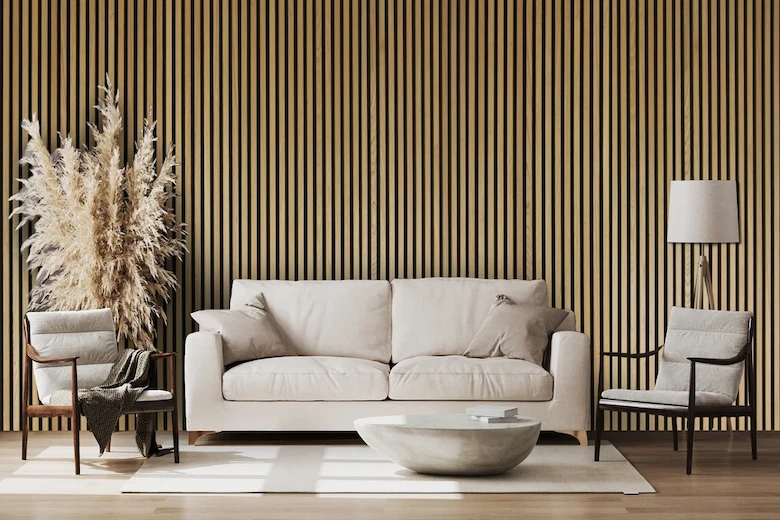
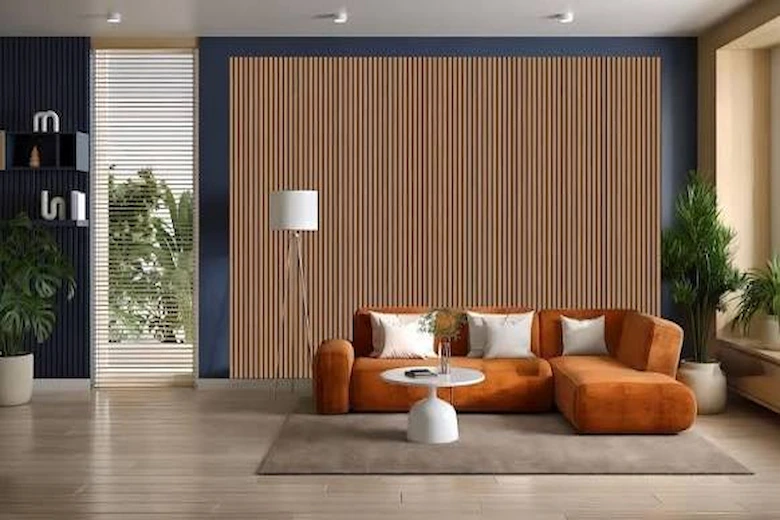
Today’s acoustic solutions are not only functional but also decorative. Many acoustic panels are designed with natural materials, elegant textures, and contemporary patterns that enhance interior aesthetics. Architects can use them as feature walls, decorative elements, or integrated design components that improve both appearance and performance.
Increased Privacy
In residential and commercial buildings, privacy is an important consideration. Acoustic treatment helps reduce sound reflections and improves speech privacy between different areas. For spaces requiring additional noise control, acoustic solutions can be combined with a soundproof wall covering to achieve improved acoustic performance.
Types of Acoustic Wall Panels
Different environments require different acoustic approaches. The most common types of acoustic wall panels include:
Fabric Acoustic Panels
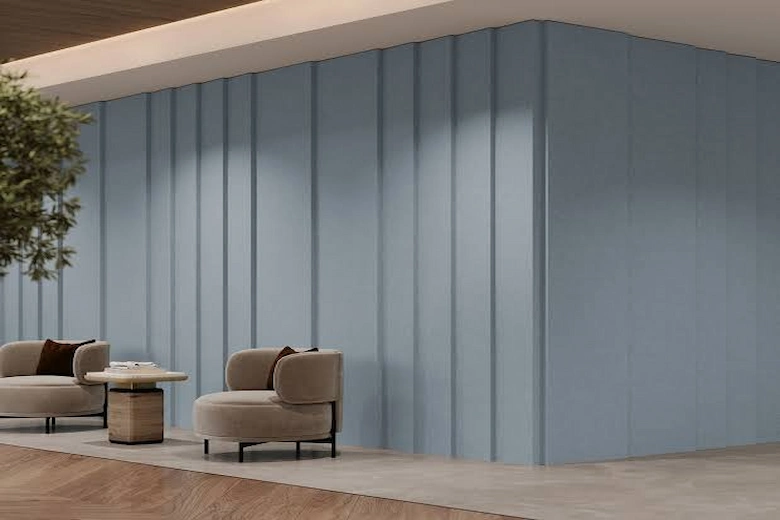
Fabric-covered panels are widely used in offices, meeting rooms, and public spaces. They provide excellent sound absorption while offering a wide range of colors and design options.
Wooden Acoustic Panels
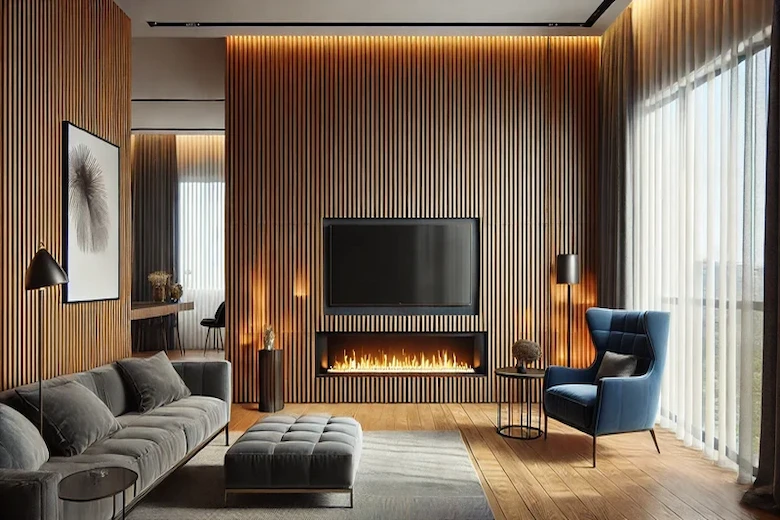
Wooden acoustic panels are popular in modern residential and commercial interiors because they combine natural aesthetics with acoustic performance. They are commonly used in luxury homes, restaurants, hotels, and contemporary office spaces where design quality is equally important as functionality.
Polyester Acoustic Panels
Polyester panels are lightweight, durable, and available in various shapes and colors. They are often selected for creative interior projects because they allow flexible design possibilities.
Decorative Acoustic Panels
Decorative acoustic panels combine sound control with artistic design. They can be customized to match specific architectural concepts and branding requirements.
Acoustic Wall Panels in Modern Construction Projects
Sound management has become an important consideration in modern construction. Developers are increasingly focusing on creating buildings that provide not only structural strength but also a high-quality living and working experience.
In large-scale Construction Projects Greece, acoustic design is becoming an important part of residential, hospitality, and commercial developments. Proper acoustic planning helps create properties that meet modern expectations for comfort and functionality.
During the early design phase, architects and engineers consider acoustic requirements alongside structural systems, materials, and interior design.
The Role of Materials in Acoustic Performance
The quality of materials used in acoustic solutions directly affects their performance. Selecting appropriate materials ensures better sound absorption, durability, and long-term reliability.
Professional Construction Materials Supply helps construction teams access high-quality acoustic products that meet project specifications.
Material selection should consider factors such as fire resistance, environmental impact, maintenance requirements, and compatibility with the overall interior design.
Acoustic Solutions in Different Building Types
Residential Buildings
In homes and apartments, acoustic wall panels can improve comfort by reducing noise between rooms and creating quieter living areas. Modern residential projects often combine acoustic solutions with advanced construction techniques to provide better lifestyle quality.
Offices and Commercial Spaces
Open-plan offices require effective acoustic management because multiple conversations and activities occur simultaneously. Acoustic panels help reduce background noise and create more productive working environments.
Hospitality Projects
Hotels, restaurants, and entertainment spaces depend heavily on atmosphere and customer experience. Acoustic design contributes to creating comfortable environments where guests can relax and communicate easily.
Acoustic Design in Renovation Projects
Existing buildings often require acoustic improvements to meet modern comfort standards. During renovation, professionals analyze current conditions and select suitable acoustic solutions. In Property Renovation Greece, acoustic improvements can transform older buildings into modern, comfortable spaces while preserving their original character. Adding acoustic wall panels during renovation projects can improve both functionality and interior appearance without requiring major structural changes.
Acoustic Considerations in Different Construction Methods
The choice of building system can influence acoustic performance. Different structural materials have different sound transmission characteristics, making acoustic planning an important part of the design process.
Modern construction methods often integrate insulation systems, advanced materials, and acoustic solutions from the beginning of the project.
For lightweight buildings, systems such as an LSF structure may require additional acoustic considerations to achieve optimal sound performance.
Similarly, prefabricated buildings such as a Kit house can benefit from carefully selected acoustic materials to improve indoor comfort.
The Importance of Professional Planning
Achieving excellent acoustic performance requires more than simply installing panels on walls. Proper analysis of room conditions, sound sources, and material performance is essential. Working with specialists through construction consulting Greece helps developers and property owners select the right solutions for their specific needs. Professional acoustic planning ensures that design goals, technical requirements, and budget considerations are balanced effectively.
Final Words
Acoustic wall panels have become an important element in modern architecture, offering a combination of sound control, visual appeal, and improved indoor comfort. As buildings become more focused on user experience, acoustic design is no longer an optional feature but an essential part of high-quality construction.
From residential properties and offices to hospitality developments and renovation projects, acoustic solutions help create spaces that are more comfortable, functional, and enjoyable. By selecting suitable materials, integrating acoustic planning early in the design process, and working with experienced professionals, developers can create buildings that deliver both architectural excellence and superior acoustic performance.