
Gothic architecture is one of the most prominent and influential architectural styles in European history, emerging from the late 12th century and continuing into the Middle Ages. Focusing on height, light, and delicate stonework, the style created inspiring and majestic spaces, with the main goal of instilling a sense of spirituality and transcendence. Gothic architecture was not only seen in churches and cathedrals, but also pushed the boundaries of engineering and art with innovations such as pointed arches, suspended arches, stained glass windows, and latticed arches. In this article, we will introduce Gothic architecture. Stay tuned.
What is Gothic architecture?
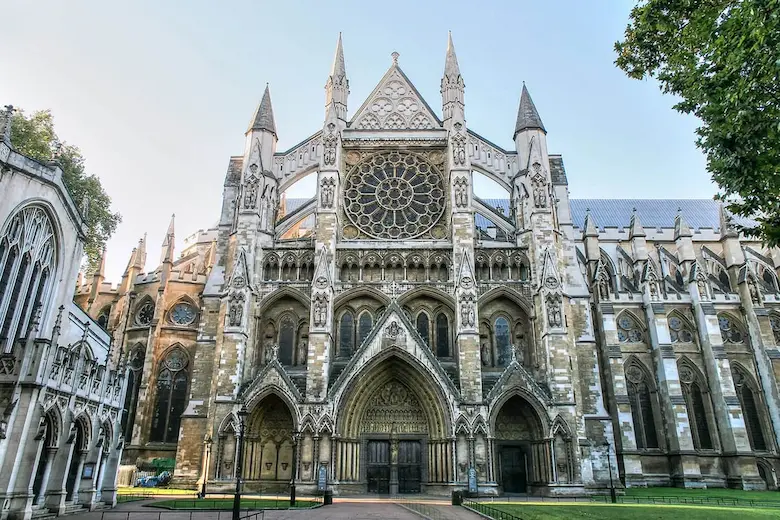
Gothic architecture is one of the most prominent and influential architectural styles in European history, emerging in France in the late 12th century and gradually spreading throughout Europe. It is known for its emphasis on height, light, and spirituality, and its main goal was to create magnificent and inspiring spaces, especially in churches and cathedrals. The most important features of Gothic architecture include pointed arches, hanging buttresses, tall arches, large stained glass windows, and delicate stone decorations, which have both a structural and aesthetic role.
The clever use of these elements allowed walls to become thinner and natural light to enter the interior spaces in abundance, which enhances the sense of spirituality and grandeur in the viewer. Gothic architecture not only represents the engineering and artistic advances of the Middle Ages, but also reflects the religious, social, and cultural beliefs of that time, and today, it is considered one of the most enduring architectural styles in the world by architects and researchers.
Gothic Architecture Features
But what do you think are the features that made Gothic architecture so popular? Join us as we explore the unique features of Gothic architecture:
Pointed Arch
The pointed arch is one of the most important and well-known features of Gothic architecture, which plays a key role in increasing the height of the structure and better distributing the forces acting on the building. Unlike the semicircular arches of the Roman style, this type of arch transfers pressure more vertically and allows for the construction of taller and longer spaces. In addition to its structural function, the pointed arch also visually conveys a sense of ascension, spirituality, and grandeur, and this feature has made it an inspiration for modern interior spaces, such as living room design with high, arched ceilings, even in today’s designs.
Flying Buttress
The flying buttress is one of the most innovative elements of Gothic architecture, allowing for tall, thin walls without compromising the strength of the building. This structural element transfers the lateral forces of the roof and arches to the external supports, resulting in a freer and brighter interior. Aesthetically, flying buttresses give a dynamic and powerful appearance to the building facade and demonstrate the clever combination of engineering and art in this architectural style.
Large Stained Glass Windows
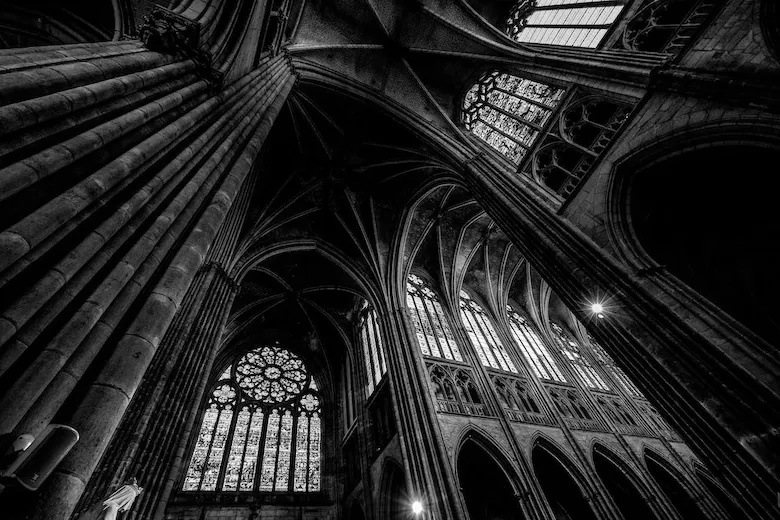
The huge stained glass windows are one of the most prominent symbols of Gothic architecture, playing an important role in creating natural lighting and a spiritual atmosphere. These windows were often decorated with religious and geometric motifs and scattered sunlight in various colors throughout the interior. The extensive presence of light in Gothic buildings enhances the feeling of lightness and sublimity, and this feature has led to the idea of using light and transparency in exterior decoration design inspired by this style being considered even today.
Emphasis on height and verticality
One of the main characteristics of Gothic architecture is the striking emphasis on vertical lines and the high height of buildings, which is a symbol of man’s connection with the sky and spiritual concepts. Towers, minarets, and high ceilings direct the viewer’s gaze upward and create a sense of grandeur and splendor in the space. This feature of verticality is clearly different from styles such as neoclassical architecture, which emphasize horizontal balance and classical proportions.
Delicate decorations and stone details
Detailed stone decorations, sculptures, and plant and human motifs are other important characteristics of Gothic architecture that give buildings a unique artistic identity. These details are not only beautiful, but also carry religious and cultural messages of their time. The high precision in the execution of these elements demonstrates the skill of Gothic craftsmen, and today, examining such details can play a strategic role in the design process of projects inspired by historical styles and even in construction consulting sessions.
Ribbed Vaults
Ribbed vaults are another important characteristic of Gothic architecture, known for combining vaults with raised lines or “ribs”. This structure allows for better distribution of the weight of the ceiling to the columns and supports, allowing for the creation of wide and tall interior spaces. In addition to their structural function, ribbed vaults give a decorative and rhythmic effect to the ceiling and add a sense of suspense and movement to the space, a feature that is also seen today in the restoration of some historical buildings or as inspiration for interior design and decorative ceilings.
Spires and Towers
Spiers and towers are prominent symbols of Gothic architecture that not only enhance the visual role and identification of the building, but also act as a sign of authority and spirituality of religious architecture. These elements make the building easily recognizable from a distance and enhance the sense of ascension and transcendence in the viewer. With their pointed forms and detailed decorations, spires and towers are considered one of the most attractive aspects of the facade of a building in the Gothic style and have inspired architects and designers to create high-rise buildings and landmarks in urban decoration.
The most famous buildings built with Gothic architecture
From the distant past to the present, numerous buildings have been built around the world using Gothic architecture, the most prominent of which are located in Europe. Join us as we introduce the most famous historical buildings built with Gothic architecture:
Notre-Dame de Paris
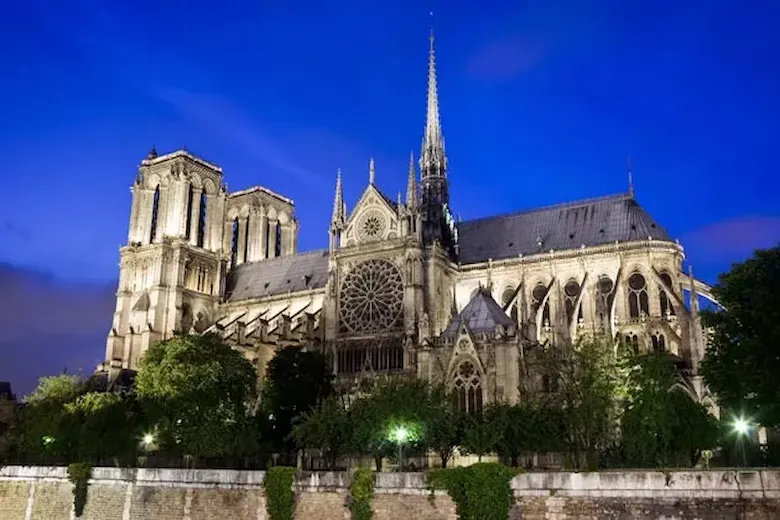
Notre-Dame de Paris is undoubtedly one of the most iconic and well-known Gothic architectural buildings in the world, whose construction began in 1163 and lasted more than two centuries. With its pointed arch, huge stained glass windows, hanging arches and tall towers, this church is a perfect example of Gothic techniques and aesthetics. The facade of Notre-Dame with its intricate stone details and numerous sculptures not only expresses the skill of medieval craftsmen, but also has inspired subsequent generations of architects in the field of church design and urban decoration.
Chartres Cathedral
Chartres Cathedral in France is another masterpiece of Gothic architecture, particularly known for its stunning stained glass windows and meticulous stonework. With its impressive height and intricate latticed arches, it offers a unique experience of light and space, and has managed to maintain a good balance between structural function and aesthetics. Chartres Cathedral is one of the few buildings that contains almost all the classic Gothic elements and is still a place for historical, architectural and religious tourism studies.

Cologne Cathedral
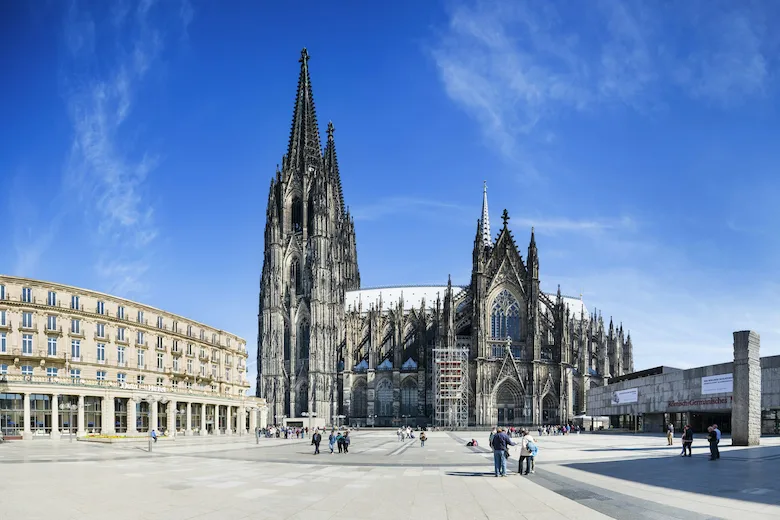
With its tallest twin towers and richly detailed façade, Cologne Cathedral in Germany is a prominent example of High Gothic architecture. Construction began in 1280 and continued for more than 600 years, reflecting its technical complexity and social importance. The facade, with its sculptures, reliefs, and stained glass windows, offers a combination of art and engineering, and today it is one of the most popular tourist destinations in Europe and an outstanding example for studying historical styles.
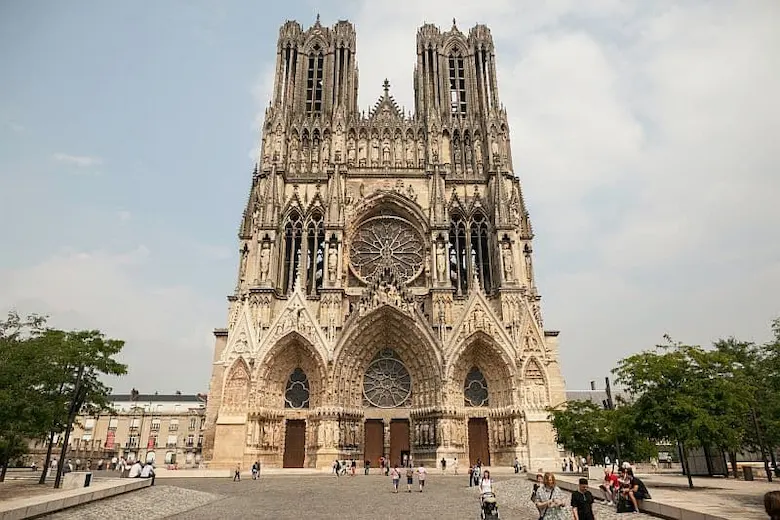
Reims Cathedral
In addition to its magnificent Gothic architecture, Reims Cathedral in France is famous for its historical role in the coronation of French kings. With its pointed arches, suspended arches, and detailed and delicate sculptures, this church offers a perfect example of the combination of spirituality and grandeur in Gothic. Its facade and stone decorations are not only of high artistic value, but have also inspired contemporary architects in the field of interior and exterior decoration design and the implementation of historical style renovation projects.
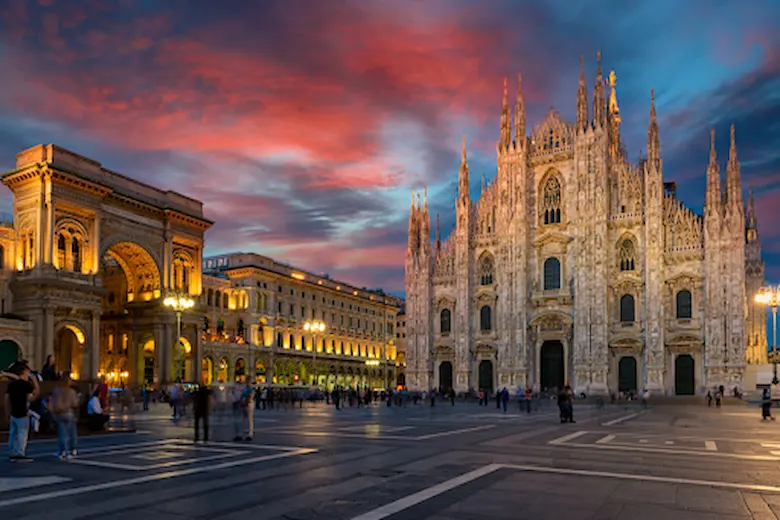
Milan Cathedral
The Duomo di Milano, or Milan Cathedral, is the largest Gothic church in Italy and one of the most complex historical monuments in the world. With over 3,000 stone sculptures, hundreds of arches and spires, and stunning stained glass windows, the church is a perfect example of the splendor and complexity of Gothic architecture. The building’s facade and meticulous details are not only a magnificent artistic achievement, but also demonstrate the advancement of engineering and decorative arts in the Middle Ages, and today it is recognized as a symbol of European history, culture, and art.
Final Words
As you can see, in this article we have thoroughly introduced Gothic architecture. We have learned that Gothic architecture, with its unique features, provides a perfect example of the fusion of art and engineering in the Middle Ages. Today, the study and examination of Gothic architecture not only has historical and cultural value, but also inspires contemporary designers in renovation, interior and exterior design, and the creation of magnificent and creative spaces. Thank you for your support until the end of this article.
Nobility Construction Group specializes in construction consulting, kit house construction, decoration design, LSF structure construction, creating various types of Thermowall wooden wall coverings, as well as asset and property management and operates in Greece. Dear friends, you can contact us through communication bridges for more information and free consultation. You can also visit our projects page to get more complete information about us and learn about our services. We are ready to introduce you to current issues in the construction world on the Nobility Construction blog.