
Landscape design is a creative and specialized process that aims to create a beautiful, functional space that is in harmony with the surrounding environment. This design involves the intelligent combination of natural elements such as plants, trees, water features and artificial elements such as paths, outdoor furniture and lighting to create an attractive and relaxing environment. In modern landscaping, the use of innovative ideas along with the combination of seasonal plants maximizes the visual effect and use of space. Also, paying attention to principles such as harmony, rhythm, focus and function makes the green environment both aesthetically and operationally optimized and provides a pleasant experience for users. Follow us to review the landscape design guide.
What is landscape design?
Landscaping is a creative and specialized process that aims to improve the beauty, functionality and harmony of outdoor environments. In this method, a combination of natural elements such as plants, trees, rocks and water features is used along with artificial elements such as paving paths, outdoor furniture and lighting to create an attractive, relaxing and functional space. Landscape design not only increases the value of the property and improves the quality of life of residents, but also plays an important role in managing natural resources, saving water consumption, improving natural ventilation and creating an environment compatible with climatic conditions.
For this reason, choosing the right style in landscaping based on needs, space use and harmony with the architecture of the building is of great importance and can have a significant impact on the beautification and efficiency of residential, commercial and public environments.
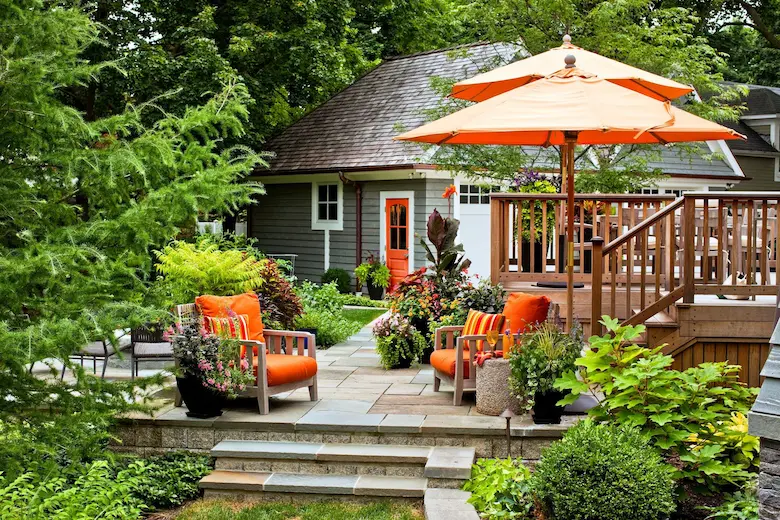
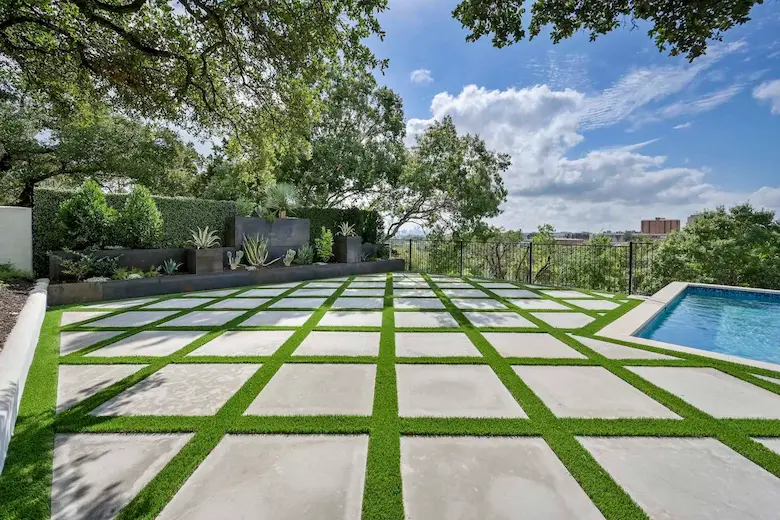
Landscape design Principles
But in order to create a creative and vibrant space, you need to benefit from the principles of landscape design professionally. These principles include the following:
Harmony & Proportion
One of the basic principles in landscape design is to create harmony and proportion between the natural and artificial elements of the environment. This principle means matching sizes, colors, and forms with each other and with the overall space to create visual and emotional harmony. For example, tall, shady trees should be in harmony with paths and seating areas, and the size of plants and outdoor furniture should be proportional to the area of the land. Observing this principle will make the area not only beautiful and eye-catching, but also provide a pleasant and balanced experience for users, so that each element interacts naturally with the other elements.
Rhythm & Repetition
Rhythm in landscaping refers to creating a visual flow and sense of movement in a space through the repetition of elements, colors, or patterns. For example, planting a row of similar trees or using the same lights in paths creates a regular rhythm that guides the visitor’s eye and creates a sense of order and coherence in the environment. Following this principle gives the area energy and dynamism and makes the experience of being in the space natural and pleasant.
Focal Point
Having one or more focal points in landscape design draws attention and guides the viewer’s eye. This point can include a water feature, a statue, a specific tree, or even an attractive curved path. Creating a focal point gives the area depth and identity and guides visitors to paths or seating areas. Choosing the right focal point and emphasizing it with lighting or various textures gives the design of the area coherence and visual appeal.
Balance & Symmetry
Balance in landscape design means a balanced distribution of visual elements in the space, so that the visual weight of the elements is felt on both sides of the desired space. This balance can be created in the form of perfect symmetry or asymmetrical balance. For example, placing two similar paths on both sides of the garden or combining plants of different sizes and colors on one side and the other creates visual balance. Following this principle creates a sense of calm, stability and organization in the area and makes the experience of being in the space more pleasant.
Variety & Contrast
Variety and contrast in landscape design create interest and prevent monotony of the space. This principle includes using various colors of plants, different forms and textures, and combining different materials in paths and flooring. Contrast between colors, heights, and textures energizes the eye and draws the visitor’s attention to important elements. Smart variety and contrast make the space seem alive, dynamic, and engaging, creating a sense of discovery and excitement in the visitor.
Functionality & Usefulness
The principles of landscape design are not limited to beauty alone; function and use are also very important. A successful design must consider the needs of users and optimize seating areas, walkways, play areas, or green spaces according to the purpose of the space. Efficient design makes the use of the space comfortable, safe, and enjoyable, and allows users to easily benefit from the available facilities. In addition to beauty, a focus on function ensures that the space is not only visually appealing, but also practical and useful.
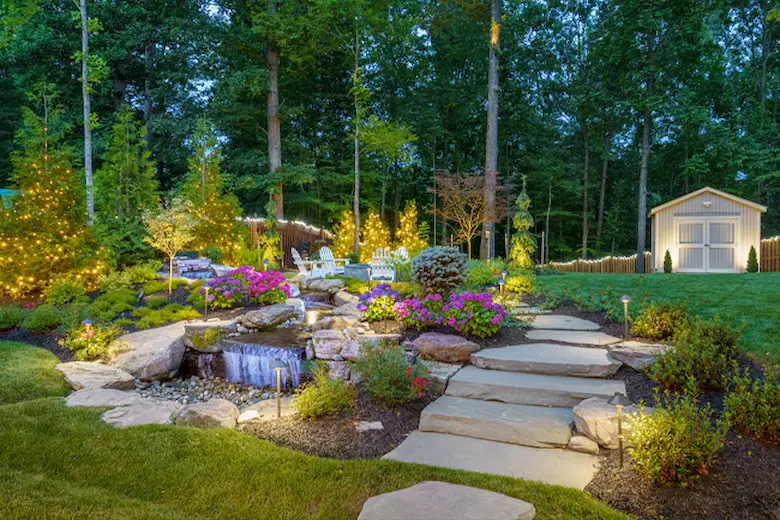
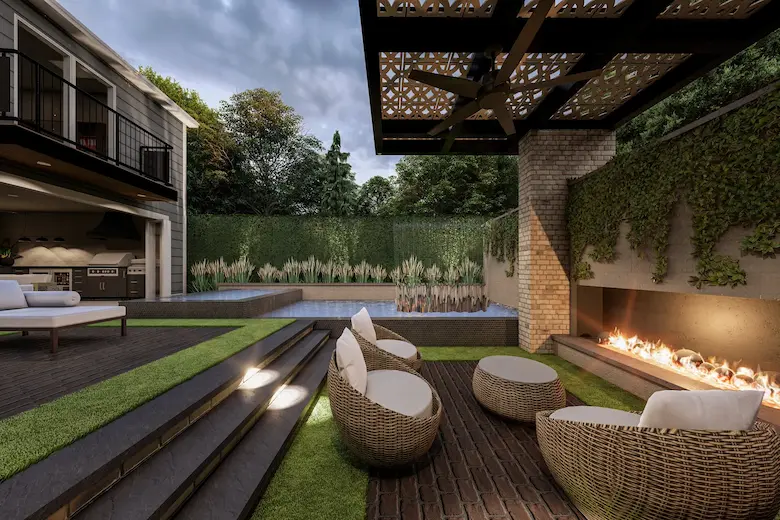
8 Golden Landscape design Ideas
Now that you are fully familiar with the concepts and principles of landscape design, you need to draw inspiration from a source to ultimately have an attractive environment. Join us as we explore 8 golden landscape design ideas:
Walking paths with Thermowood flooring
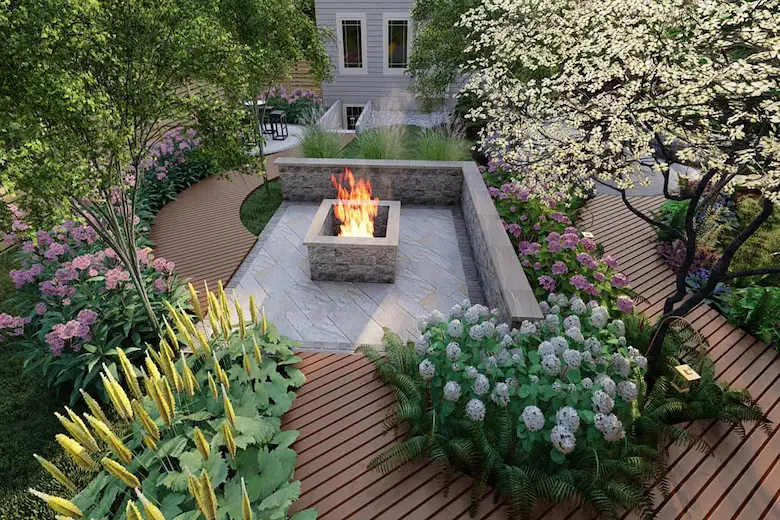
One of the practical and beautiful ideas in landscaping is designing walking paths with Thermo wood flooring. With its warm color and natural texture, this flooring creates a sense of closeness to nature and makes the outdoor space look modern and attractive. Curved and straight paths combined with soft lighting make it easy to guide visitors to different parts of the area and make the experience of being in the green space more pleasant. In addition to beauty, Thermowood flooring is highly resistant and durable and provides optimal performance against different weather conditions.
Vertical garden and green wall with construction consultation
Using vertical gardens and green walls is an innovative way to increase the beauty and productivity of the area. These walls can be covered with a variety of plants and at the same time improve air quality and convey a sense of freshness and vitality. With professional construction advice, it is possible to properly install and maintain the green wall and combine colors and textures with other environmental elements in the best way. This idea is especially practical for limited spaces or small yards.
Decorative fountains and ponds
Small fountains and ponds are one of the most effective ways to create relaxation and visual impact in landscaping. The movement and sound of water enhances the sense of liveliness of the space and makes the experience of being in the environment relaxing. In addition to beauty, these elements also play the role of managing runoff and naturally cooling the environment. Combining a fountain with soft lighting at night creates a wonderful effect and can be the center of attention and focal point of the area.
Sitting areas with wooden thermowall
Using wooden thermowall in the design of sitting areas creates a sense of warmth, intimacy and closeness to nature. These walls can surround benches and outdoor furniture and provide a safe and pleasant space for relaxation and social interaction. Wooden thermal walls with high resistance to weather conditions ensure both the beauty and durability of the environment and are in perfect harmony with the overall style of the area and building.
Prefabricated houses and kit houses in the area
The idea of creating functional spaces using prefabricated houses and kit houses is a fast, flexible and economical solution for landscaping. These structures can be designed as an office, cafe, playroom or relaxation area and can also be moved or changed in the future. Prefabricated house and kit house, due to their quick installation and modular design, complement green spaces in an efficient and attractive way and improve the performance of the environment.
Seasonal Plants Combination for a Colorful Effect
Using seasonal plants with diverse colors and textures is one of the simple but very effective ways to make landscaping attractive. This combination makes the space look alive and dynamic all year round and conveys a sense of energy and freshness to users. Choosing the right seasonal plants with the interior decoration design of the building and the elements of the area increases the visual coherence and harmony of the environment and its maintenance will also be easy and economical.
Multi-level areas with lsf structure
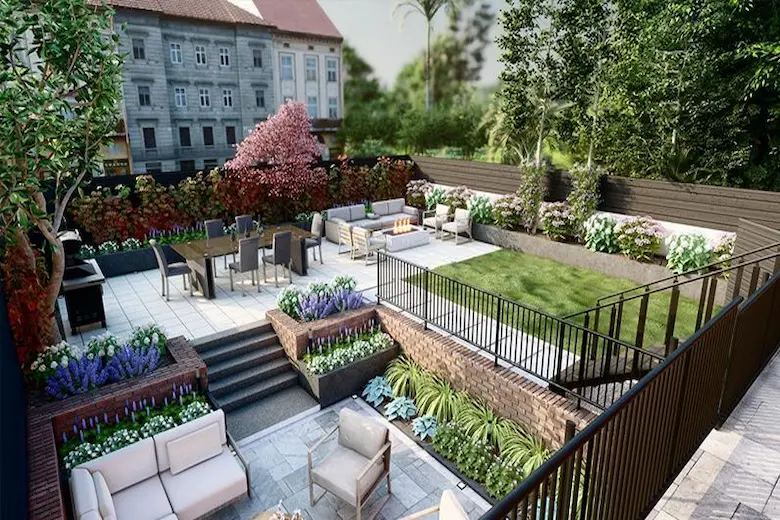
Designing the area with different heights and multi-level areas creates a three-dimensional and impressive effect. Using lsf structure to separate paths, gardens and seating areas, in addition to beauty, enhances the sense of discovery and movement in the environment. This design creates natural shadows, improves water flow and increases visual diversity, making the experience of being in the area more attractive and dynamic.
Designing Play and Entertainment Spaces with Natural Materials
Creating play and entertainment spaces using natural materials provides an educational and recreational experience for children and families. Stones, woods, and soft coverings combine safety and comfort with visual appeal, creating a space close to nature. This idea makes the area not only beautiful and functional, but also provides a fun and diverse environment for all ages.
Final Words
As you have seen, in this article we have thoroughly introduced landscape design. We have learned that implementing the ideas and principles mentioned in landscape design will make your green space not only beautiful and attractive, but also functional and suitable for the needs of users. Using elements such as water features, walkways, seating areas, green walls, prefabricated houses, kit houses and natural materials creates a dynamic, relaxing and inspiring environment. Smart landscape design, by considering beauty, diversity, use and harmony with the building, increases the value of the property and turns the experience of being in the space into a unique and enjoyable experience. This comprehensive and innovative approach ensures that your area always remains attractive, functional and nature-friendly. Thank you for your support.
Nobility Construction Group specializes in construction consulting, kit house construction, decoration design, LSF structure construction, creating various types of Thermowall wooden wall coverings, as well as asset and property management and operates in Greece. Dear friends, you can contact us through communication bridges for more information and free consultation. You can also visit our projects page to get more complete information about us and learn about our services. We are ready to introduce you to current issues in the construction world on the Nobility Construction blog.