
In today’s world, choosing the right structural system is one of the most important factors in the success of construction projects. Metal Buildings, as one of the most modern and widely used types of structures, have gained a special place in the construction industry due to their many advantages such as high strength, impressive speed of implementation and flexibility in design. The use of these types of structures not only increases the quality and durability of the building, but is also introduced as an economical and costeffective option in the construction consulting process. Also, in the interior decoration and facade design sector, Metal Buildings provide architects and designers with the opportunity to create creative and modern spaces. This article will provide a complete introduction to Metal Building, their types, advantages and extensive applications.
What is Metal Building?
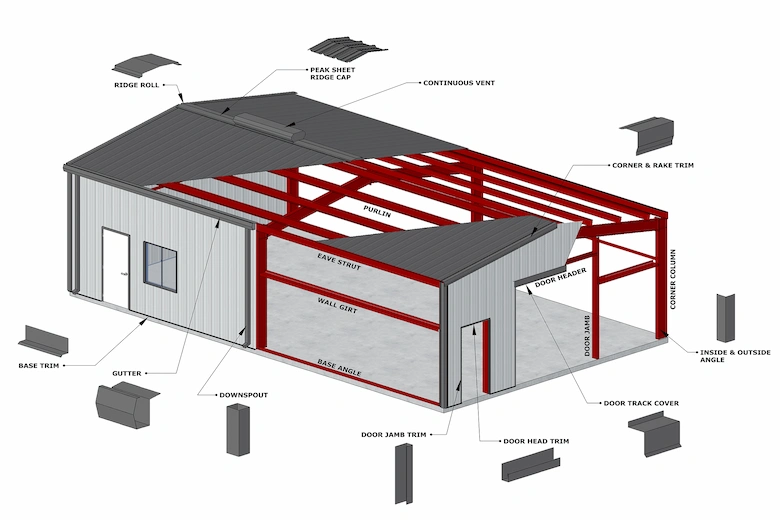
A steel structure is a type of building whose main loadbearing components, including columns, beams, braces, and other structural members, are made of metal (usually steel). These types of structures have higher strength, longer life, and faster construction than traditional structures (such as concrete or wood structures). Steel structural components are usually prefabricated in a factory and then assembled on site, which significantly reduces construction time and costs. In addition, the complete recyclability of steel has made these structures an environmentally friendly option. Today, steel structures are widely used in residential, commercial, industrial, and even lightweight structures such as LSF structures.
Types of Metal Building
Today, there are different types of Metal Building, each of which has its own unique characteristics. In this section, we will examine the types of Metal Buildings. Stay with us.
1. PreEngineered Metal Building
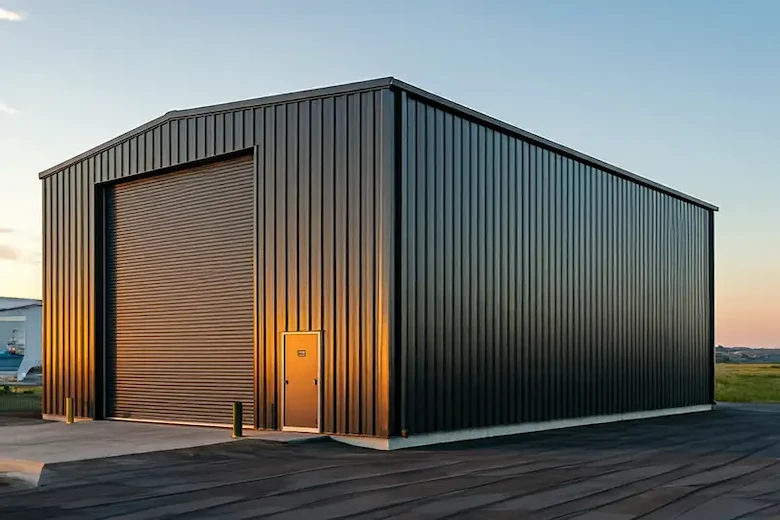
A preengineered metal building is a type of metal building whose main components, including columns, beams, roofs, and walls, are fully engineered and manufactured in a factory according to detailed drawings and then installed at the project site. These types of structures are very popular due to their high construction speed, cost savings, and factorycontrolled quality. These structures are usually used in the construction of industrial halls, warehouses, exhibitions, and even commercial projects. Also, due to their flexibility in design, they can be customized to suit the needs of the project.
2. Rigid Frame Structure
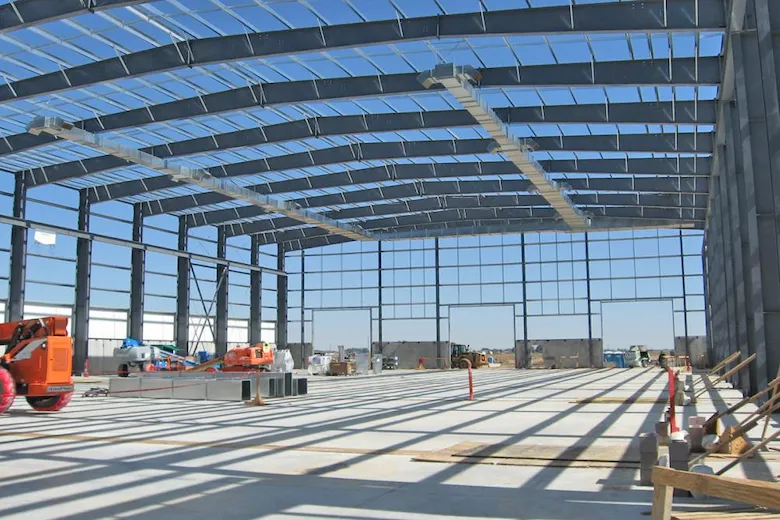
A rigid metal frame structure is one of the most common types of Metal Buildings in industrial and largescale projects. In this type of structure, the connections between columns and beams are designed to be rigid to transfer bending and axial loads simultaneously. This feature gives the structure exceptional stability and strength, especially against earthquakes and strong winds. Rigid frame structures are mostly used in large warehouses, factories, and buildings with wide spans. Precise engineering design and the use of heavy steel sections are other prominent characteristics of this type of structure.
3. Arch Metal Building / Quonset Hut
An arch metal building, also known as a Quonset Hut, is a type of curved and modular structure built using curved steel panels. Due to its aerodynamic shape, this type of structure has very high resistance to wind, snow, and earthquakes and is usually used for agricultural, military, and temporary warehouse uses. The important advantage of these structures is their quick installation and easy maintenance. Also, the simple design and elimination of the need for an internal skeleton maximize the usable space inside the structure.
4. Modular Metal Building
A modular Metal Building consists of units that are prefabricated in the factory and then assembled at the project site. This type of structure is very suitable for projects that require quick implementation, easy movement, and future expansion. Its common applications include temporary offices, mobile training classes, emergency medical buildings, and even residential villas. The modular design of these structures saves time, reduces construction waste, and increases quality control.
5. Light Steel Frame (LSF)
Light steel frame (LSF) is a modern and advanced structural system made of coldformed steel sections. These types of structures are particularly suitable for lowrise, residential, office and educational buildings. The important advantages of LSF include low weight, high speed of construction, earthquake resistance, excellent thermal and acoustic insulation, and environmental friendliness. Also, because the parts of this structure are precisely manufactured in the factory, their installation is very fast, errorfree and with minimal manpower. Today, LSF is known as one of the most promising construction technologies in the world.
Step by step implementation of a Metal Building
Join us as we review a complete, step by step guide to implementing a Metal Building.
1. Design and Engineering of Steel Structure
The first and most important step in implementing a steel structure is its precise design and fundamental engineering. At this stage, structural engineers use specialized software such as SAP2000, ETABS or Tekla to design the execution plans based on the incoming loads, climatic conditions and type of building use. The design of the steel structure should be such that, in addition to strength and safety, it has the most optimal use of materials to reduce costs. Also, at this stage, the choice of the type of steel profiles (such as beams, gutters, angles, etc.), welded or bolted connections, and the thickness of the sheets are determined. The design of the steel structure plays a key role in the quality and durability of the building and must be carried out in accordance with national and international standards to ensure the security of the structure.
2. Preparation and procurement of steel materials
After the design is finalized, the preparation and procurement stage of metal materials begins. This stage includes the purchase of steel sheets, profiles, bolts and nuts and other related parts. The quality of raw materials is of particular importance at this stage, because highquality steel increases the strength and lifespan of the structure. Also, cutting, shaping and prefabrication of parts based on design drawings are carried out in special workshops in order to save time and cost at the project site. In this section, quality control of materials, mechanical tests and ensuring the standardization of sheets and profiles are of great importance.
3. Preparation of the site and foundation
Before installing the Metal Building, the project site must be fully prepared. This work includes excavation, leveling the ground, and implementing the foundation in accordance with the type of structure and engineering drawings. The foundation is the foundation of the Metal Building and must withstand the gravity and lateral loads of the building. Usually, a reinforced concrete foundation is used for Metal Buildings, and after the concrete is poured and completely dried, the installation stage of the Metal Building begins. Care in implementing the foundation and observing the standards of concreting will guarantee the stability and safety of the structure against the forces acting on it.
4. Installation of the metal frame and connections
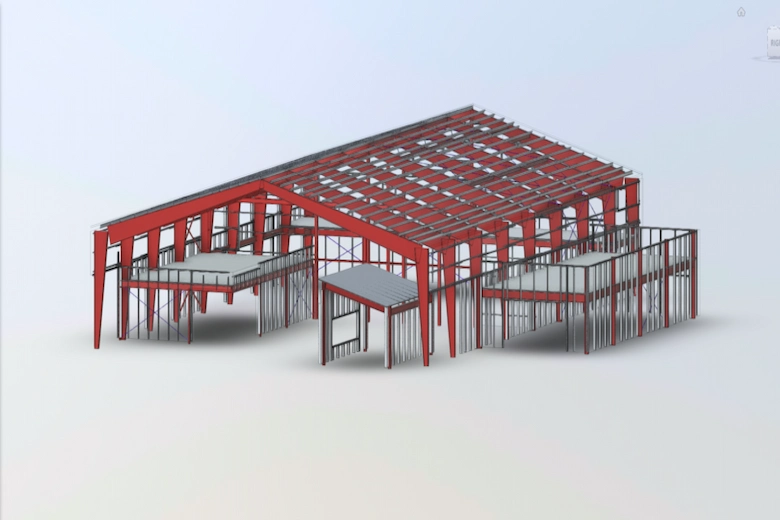
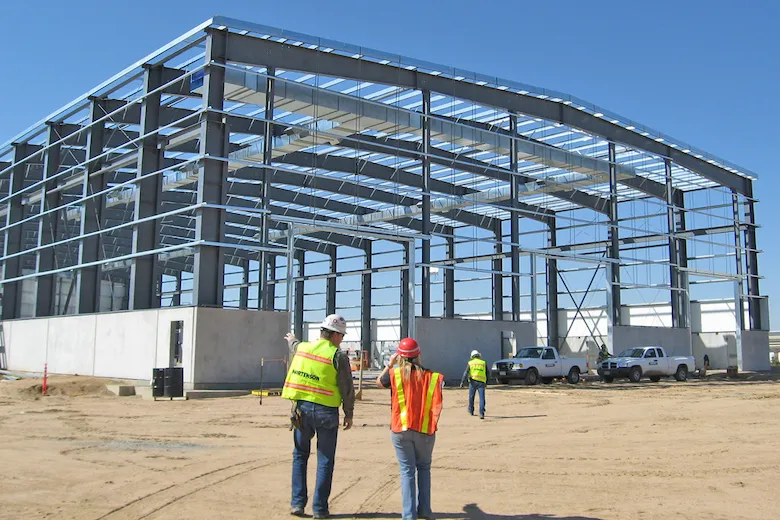
The installation stage of the metal frame is the most important part of the implementation of the Metal Building, which includes the assembly of beams, columns, roof and other structural components. In this stage, prefabricated parts are brought to the installation site by crane and connected using bolts or welding based on the execution drawings. Care in installing the connections and the alignment of the skeleton components plays a vital role in the stability of the structure. Also, observing safety at the installation site and using standard equipment are important points of this stage. Correct and precise installation of the metal frame allows the structural loads to be transferred evenly and prevents possible hazards.
5. Erection of walls, roof and Metal Building coverings
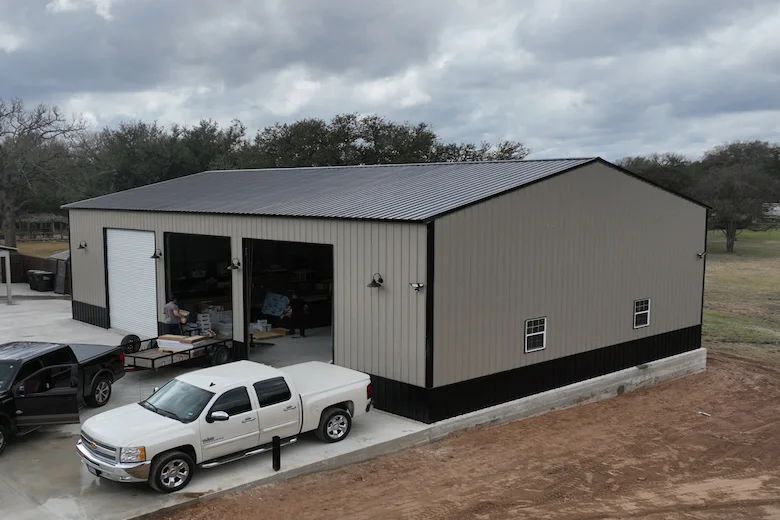
After the installation of the metal frame, the completion stage of the structure begins with the installation of appropriate walls, roof and thermowall. Depending on the type of structure and its application, metal coverings, sandwich panels or other materials may be used. In addition to creating an appearance, these coverings also have the function of thermal, acoustic and resistance insulation. The choice of the type of covering should be appropriate to the climatic conditions, type of use and project budget. Installing quality coverings and appropriate insulation will prevent energy waste and increase the lifespan of the structure.
6. Final inspection and project delivery
The last step in the implementation of the Metal Building is to conduct detailed technical inspections and quality control of all stages of implementation. At this stage, project supervisor engineers evaluate the accuracy of the design implementation, the quality of connections, the accuracy of installation and the overall health of the structure. Also, strength and safety tests such as welding tests and load tests are performed. After final approval, the structure is delivered to the client. This stage ensures that the steel structure is ready for use with the highest standards and without any defects, ensuring the safety of users and the durability of the building.
Advantages of using Metal Building
Using a Metal Building can bring numerous benefits, which we will examine below.
1. High strength and durability
One of the most important advantages of using a Metal Building is its very high resistance to natural forces such as earthquakes, strong winds, fire and corrosion. Steel, as the main material of these structures, has unique strength and flexibility, which makes buildings have a very long lifespan and reduces the need for frequent repairs. In the construction consulting process, great emphasis is placed on choosing resistant and stable structures to ensure the security and stability of the project. Also, in the decoration design stages, a Metal Building allows the interior space to be designed with greater freedom, as there is less need for loadbearing walls.
2. High speed of execution and installation
Metal Buildings, due to the prefabricated parts and ease of assembly, enable very fast execution of construction projects. This speed reduces labor costs, equipment rental, and also accelerates project delivery time. In construction consulting sessions, this feature of Metal Buildings is usually raised as one of the key advantages, especially for projects where time is of the essence. In addition, the speed of implementation allows architects and interior designers to move faster to the decoration design and completion stages of the project.
3. Cost savings
The use of Metal Building reduces the overall costs of the project. Lower cost of raw materials, reduced manpower, and reduced construction waste are among the important reasons for economic savings. In the construction consulting process, consultants usually remind investors that Metal Buildings are more economical not only in the construction phase but also in maintenance and repairs. Also, the open and flexible design of these structures allows the implementation of new decoration design plans without additional costs.
4. Flexibility in architectural design and decoration
Metal Building, due to their light weight and high strength, allow the creation of large spaces without intermediate columns as well as unique architectural designs. This feature in construction consulting is one of the important points for special and luxury projects that seek to create open spaces and different decorations. On the other hand, in the decoration design section, the flexibility of Metal Buildings allows interior designers to easily use innovative materials and ideas and shape the interior space with more creativity.
5. Environmental compatibility and recyclability
One of the important advantages of Metal Buildings is the 100% recyclability of steel and the reduction of construction waste, which makes construction projects with Metal Buildings very environmentally friendly. In today’s construction consulting process, attention to environmental aspects is a key factor, and choosing a Metal Building is recommended as an environmentally friendly option. These structures also create more open spaces and skylights, allowing for the implementation of diverse ideas in green and sustainable decoration design.
Applications of Metal Building
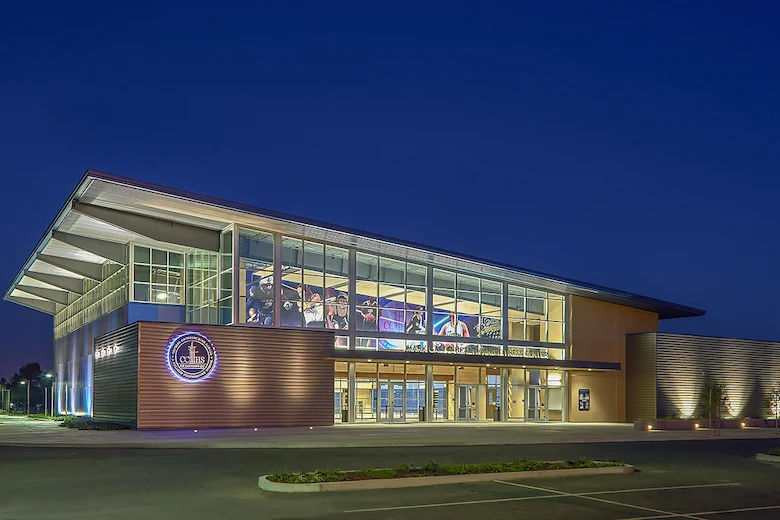
Metal Building have wide applications in the construction industry due to their unique features such as high strength, long durability, low weight and high speed of implementation. One of their most important applications is in industrial buildings and warehouses, which require structures with wide spans and high loadbearing capacity. Also, in commercial construction projects such as shopping malls, office buildings and multistorey complexes, Metal Buildings are very popular due to their design flexibility and the possibility of changing use. In addition, Metal Buildings are widely used in modern residential buildings, especially in the design of villas and prefabricated houses, which accelerates construction and reduces costs. In infrastructure projects such as bridges, telecommunication towers, sports halls and multistorey parking lots, these types of structures are also the main choice of engineers due to their extraordinary strength and resistance.
In addition to the above, Metal Building is also widely used in agricultural industries; The construction of grain warehouses, livestock halls and greenhouses are examples of these applications. In the field of military and emergency buildings, such as barracks and relief centers, Metal Buildings are used due to their portability, quick installation and high resistance. Even in the field of interior decoration and building facade design, the use of metal frames allows the creation of open and special spaces with a modern style. Overall, the high variety of applications of Metal Buildings has made this type of building an ideal choice for a wide range of projects, which is recommended in construction consulting as an efficient, sustainable and economical option.
Cost of Metal Building
The cost of a metal building can vary widely based on size, complexity, location, and materials. Here’s a rough breakdown:
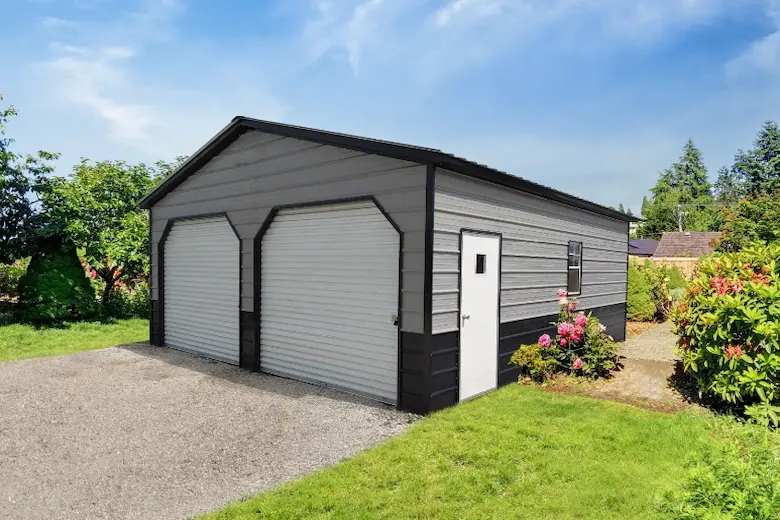
Small buildings (e.g., garages): $10,000–$25,000
Mediumsized buildings (e.g., retail stores): $25,000–$100,000
Large buildings (e.g., warehouses): $100,000 and up
Additional factors like insulation, customization, and interior work can also affect the final price.
Final Words
As you can see, in this article, we have thoroughly introduced and reviewed the Metal Building. We learned that Metal Buildings are known as a superior option in the construction industry due to their unique features such as high strength and durability, fast implementation speed, cost savings and flexibility in design. These types of structures, with their wide range of applications in industrial, commercial, residential and infrastructure projects, have been able to respond well to the diverse needs of the market. Also, in the construction consulting process, paying attention to Metal Buildings as a sustainable and economical solution is very important. On the other hand, using these structures in the interior decoration design process allows designers to create modern, open and creative spaces. Thank you for your support.
Nobility Construction Group specializes in providing construction consulting services, decoration design, LSF structures, kit house design and implementation, property and asset management, and design and implementation of wooden thermowall. To cooperate, just contact us.