
Building facade, as the first visible element of any structure, plays a key role in its aesthetics, durability, and economic value. Choosing the right facade design not only enhances the building’s visual appeal, but also improves the overall quality of the project by creating harmony between the interior and exterior architecture. Today, with the wide variety of materials available, such as natural stone, glass, thermally modified wood, and even modern concrete, designers can create innovative combinations for any architectural style. Utilizing these design ideas, along with professional construction advice and attention to details such as interior design and roof design, allows each building to develop its own unique identity and stand out in the urban landscape. Join us as we explore this guide to building facade.
The Importance of Building Facade
A building facade is one of the most important elements of any structure. Beyond its aesthetic appeal, it directly impacts property value, architectural identity, and even energy efficiency. The importance of a building facade is not limited to its attractive and modern appearance; as the first visible part of any building, it reflects the quality of construction, architectural style, and the designers’ taste. Choosing the right facade material can enhance the building’s durability against environmental factors such as rain, pollution, and sunlight, while also improving energy efficiency through thermal and acoustic insulation.
Furthermore, in urban planning, the harmony of building facades with the surrounding cityscape plays a key role in creating visual coherence and enhancing the overall beauty of the environment. Therefore, paying attention to the design and implementation of a building facade is not merely a luxury, but a practical, economic, and environmentally essential requirement for any construction project.

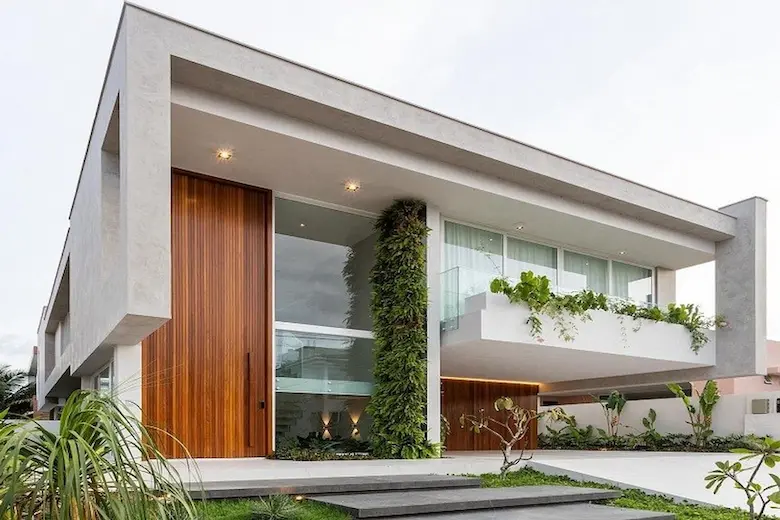
Principles of Building Facade Design
To create a building that looks its best from the outside, you need to follow a set of simple yet professional principles. Join us as we explore the principles of building facade design:
Choosing the Right Materials
Selecting the right materials is one of the most important principles in building facade design, as it directly affects the durability, aesthetics, and functionality of the facade. Materials such as stone, glass, thermally modified wood, or composite panels each have unique characteristics and should be chosen according to the climate, architectural style, and budget. For example, thermally modified wood is a popular choice for modern projects due to its high resistance to moisture and its natural appearance. Using innovative materials like LSF structure can also reduce the building’s weight and offer greater flexibility in facade design.
Harmony with the Architectural Style
Another important principle of building facade design is ensuring harmony with the overall architectural style of the building. For example, in Brutalist architecture, the use of exposed concrete and simple lines creates a powerful and minimalist identity for the building, while in classical styles, sculpted stone and intricate details are more important. The building facade should reflect the overall identity of the project to enhance its beauty and convey a sense of coherence and unity to the viewer.
Considering Climate and Environmental Conditions
One of the key principles of building facade design is taking into account the climate and environmental conditions. In hot climates, using materials with thermal insulation properties, such as thermal panels, can significantly reduce energy consumption. In cold climates, materials that are resistant to moisture and frost are essential. Choosing the right materials and designing accordingly to the climate not only increases the durability of the facade but also provides greater comfort for the occupants.
Color and lighting
Color and lighting are key elements in building design, capable of creating a distinctive visual identity. The choice of light or dark colors should be appropriate to the architectural style and function of the building. Furthermore, intelligent lighting can highlight the details of the building’s facade and create a unique atmosphere at night. Using modern lighting systems enhances both aesthetics and security, while also contributing to the overall design of the building’s exterior decoration.
Harmony with the Urban Context
A building facade should harmonize with the surrounding urban environment and neighboring buildings, maintaining its own identity while avoiding visual clutter. Coordination of height, color, materials, and form are crucial aspects to consider. This harmony is not only aesthetically important, but also directly impacts property value and resident satisfaction.
Focus on Functionality and Performance
A building facade should not only be aesthetically pleasing, but also functional. Using double-skin facades, sound and thermal insulation, and materials like thermal panels can improve energy efficiency and reduce maintenance costs. The facade design should prevent the penetration of dust, dirt, and moisture while ensuring the comfort of the occupants.
Integration with Landscape Design
One of the most important principles of building design is the harmonious integration of the facade with the surrounding landscape. When the building’s exterior design is coordinated with green spaces, pathways, and outdoor furniture, a more visually pleasing and tranquil environment is created. For example, using similar materials on the building facade and in the landscape design can create a more cohesive look and give the project a unique character. This harmony ultimately enhances both the aesthetic and economic value of the building.


What are the best materials for building facades?
In today’s modern world, the following materials are considered among the best for building facades:
- Natural stone
- Cladding bricks
- Thermo wood
- Glass
- Aluminum composite panels (ACP)
- Exposed concrete
- Porcelain tiles
- Thermowall cladding
- High-pressure laminate (HPL)
- Colored cement panels
5 Attractive Ideas for Building Facade
Now, in order for you to gain a better understanding of modern and practical building facade methods, we will introduce 5 golden ideas for building facade. Stay with us:
Modern Natural Stone Facade
One of the most popular ideas for building facade is the use of natural stone such as travertine or granite. In addition to its high durability, this material gives the building a luxurious and lasting appearance. The combination of light and dark stones can create a beautiful contrast and make the building more distinctive. Many engineers recommend in the construction consulting process that natural stone is one of the best options for residential and commercial projects due to its resistance to weather conditions and long lifespan.
Modern Glass Facade
Glass facades are an attractive option for modern office and residential buildings due to their transparency and visual connection between the interior and exterior. This type of facade directs natural light into the interior and helps optimize energy consumption. To increase efficiency, double-glazed or tempered glass can be used. Combining this facade with interior decoration design creates a unified and eye-catching effect for the entire project.
Thermowood and wooden facade
Using thermowood in the building facade instills a sense of warmth, naturalness, and intimacy in the environment. This type of material is a popular choice in modern and villa projects due to its resistance to moisture and climate changes. Combining wood with materials such as glass or concrete can create a different and special facade. In addition to beauty, the wooden facade has a wonderful harmony with the green spaces surrounding the building and ultimately provides a natural experience for residents.
Combined facade (stone, glass, and metal)
The idea of a combined facade is especially widely used in multi-story buildings. Combining natural stone with glass and metal creates a modern, durable, and diverse facade. This method allows for the implementation of creative designs and the creation of attractive visual contrasts. The use of stainless metals such as aluminum alongside stone or glass, in addition to increasing durability, gives the building a modern and special look. Such a facade is very suitable for luxury residential buildings and large commercial projects.
Modern cement facade with lighting
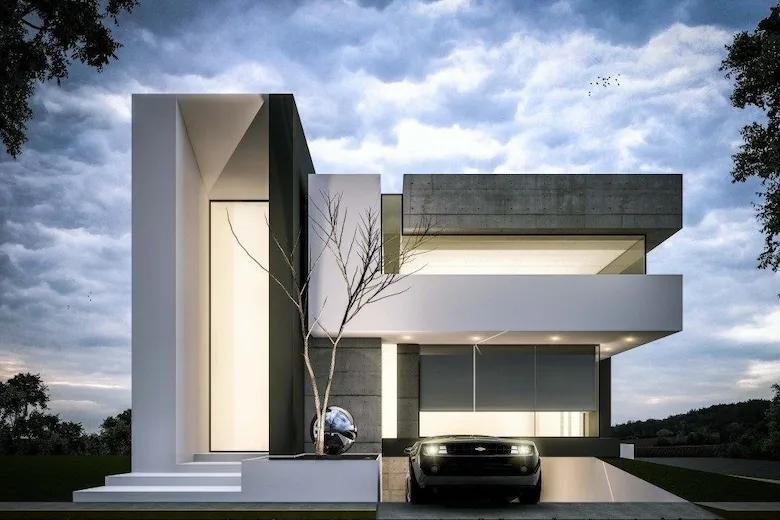
A modern cement facade is one of the cost-effective and flexible options that allows for the implementation of various designs. The use of different colors and cement textures creates a special and unique look for the building. This facade can look great at night with smart lighting. Combining a cement facade with architectural details such as a protruding ceiling design or a canopy increases the attractiveness and functionality of the building while also controlling costs.

Final Words
As you can see, in this article, we have thoroughly reviewed the building facade guide. We learned that choosing the best idea for a building facade depends on factors such as climatic conditions, architectural style, budget, and building use. Whether it is a luxurious stone facade, a modern glass facade, or even a combination of different materials, each can create high added value for the project with proper and principled design. Paying attention to lighting, coordinating with landscaping, and choosing durable materials are among the key points that should be considered in this direction. A principled and creative facade not only increases the visual appeal of the building, but is also known as a long-term investment in the field of architecture and urban development. Thank you for your support.
Nobility Construction Group specializes in construction consulting, kit house construction, decoration design, LSF structure construction, creating various types of Thermowall wooden wall coverings, as well as asset and property management and operates in Greece. Dear friends, you can contact us through communication bridges for more information and free consultation. You can also visit our projects page to get more complete information about us and learn about our services. We are ready to introduce you to current issues in the construction world on the Nobility Construction blog.