
Types of architecture styles are the common language of civilizations to express identity, culture, and technological advancements throughout history. From ancient times when man sought order with stone and columns to the present day when complex computer algorithms create fluid forms, each architectural style tells a unique story of human evolution. Understanding these styles not only changes our perspective on urban spaces and historical monuments, but also helps us gain a deeper understanding of the connection between art, engineering, and the social needs of each era. Today, in this article, we are going to introduce the different types of architecture styles. Stay with us.
Introduction Types of architecture styles
From the distant past to the present, in different periods, we have witnessed the emergence and disappearance of different architectural styles. But styles that have adhered to the best principles have remained. In this part of the article, we will introduce 10 types of architecture styles. Stay with us:
Modern Architecture
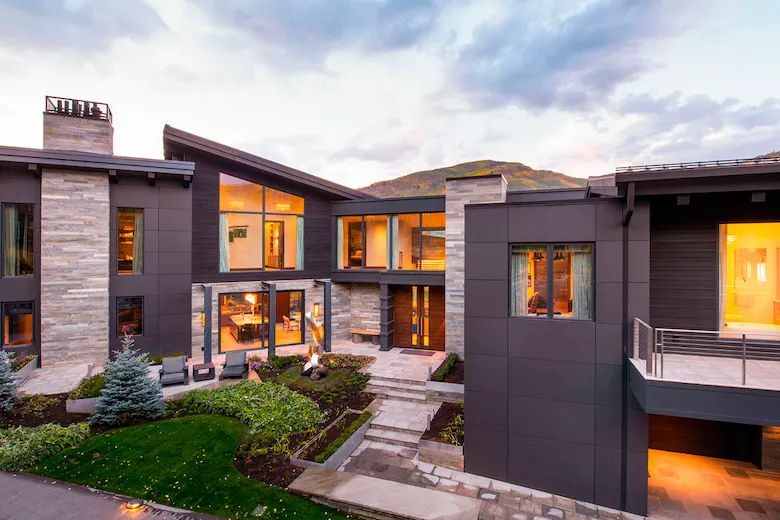
Modern architecture, which emerged in the early 20th century, was formed based on the slogan “form follows function”. In this style, excess decorations were removed and the use of industrial materials such as concrete, steel and large glass reached its peak. Open plans and floor-to-ceiling windows are the prominent features of this style, which not only create a functional space, but also establish a deep visual connection with the surrounding environment. Today, in many renovation projects, the use of kit house (modern prefabricated houses) has become one of the popular choices in this style due to its high speed and minimalist design.
Classical Architecture
This style, which has its roots in ancient Greece and Rome, symbolizes grandeur, order, and mathematical proportions. The use of tall columns, elaborate capitals, and triangular entablatures gives the building a certain dignity. Symmetry is paramount in this style, and each component of the building is designed based on precise geometry. To accurately execute these intricate details and maintain historical authenticity in today’s structures, it is essential to use construction consulting by experts in this field to properly combine engineering standards with classical artistic refinements.

Gothic Architecture
Gothic architecture, which flourished in Europe in the late Middle Ages, is known for its goal of creating a sense of spirituality and great height. Pointed arches, hanging arches, and huge windows with stained glass are the main characteristics of this style. What captivates the viewer at first glance is the complexity and stunning details in the building’s facade, as if religious and mythological stories have been carved into the stones. This style revives a sense of grandeur and flight to the sky in the body of cities.

Deconstructivism Architecture
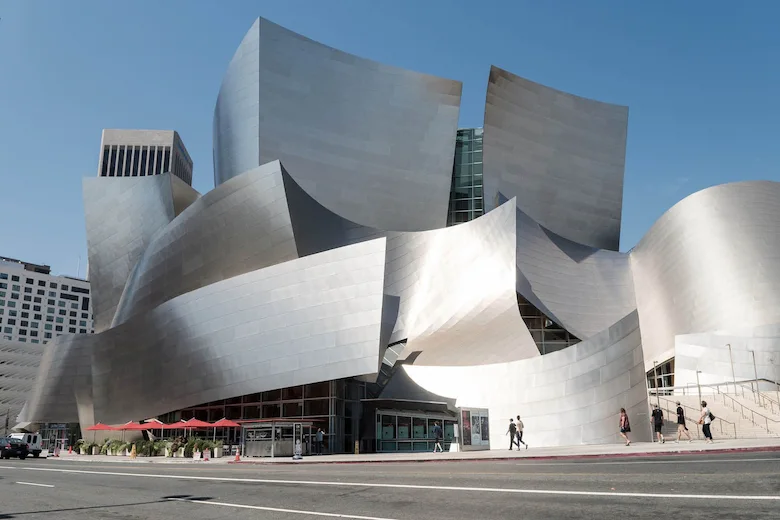
This avant-garde style, which became popular in the late 80s, challenges traditional architectural rules such as stability and Euclidean geometry. In deconstructivist buildings, we encounter fragmented forms, sharp and unexpected angles, and deliberate asymmetry that instill a sense of dynamism and ambiguity. In this style, visual design is not limited to the main body of the building, but the exterior decoration is also boldly combined with unconventional angles and materials to eliminate the boundary between reality and abstraction.
Sustainable Architecture
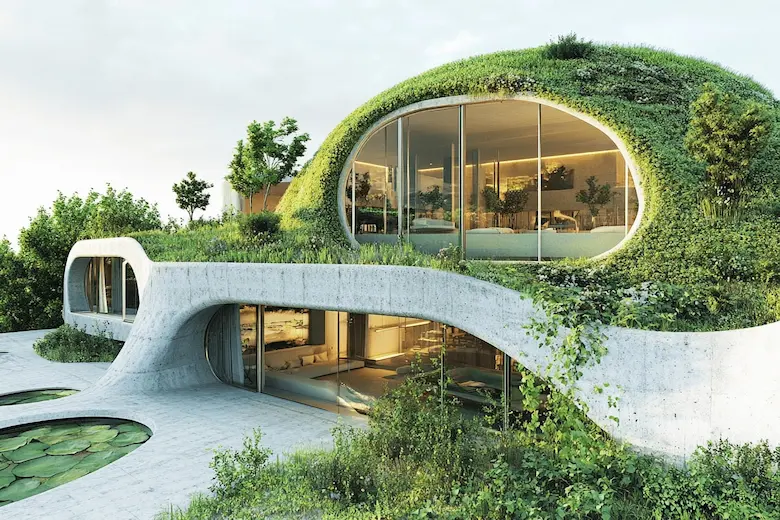
Sustainable architecture is a smart response to contemporary environmental crises that focuses on reducing energy consumption and using renewable resources. In this style, the building is considered as part of the ecosystem; therefore, the use of solar panels, water recycling systems and advanced insulation is of great importance. An integral part of this type of architecture is intelligent landscaping using native plants and creating vertical green spaces that, in addition to softening the air, also naturally regulate the temperature inside the building.
Brutalist Architecture
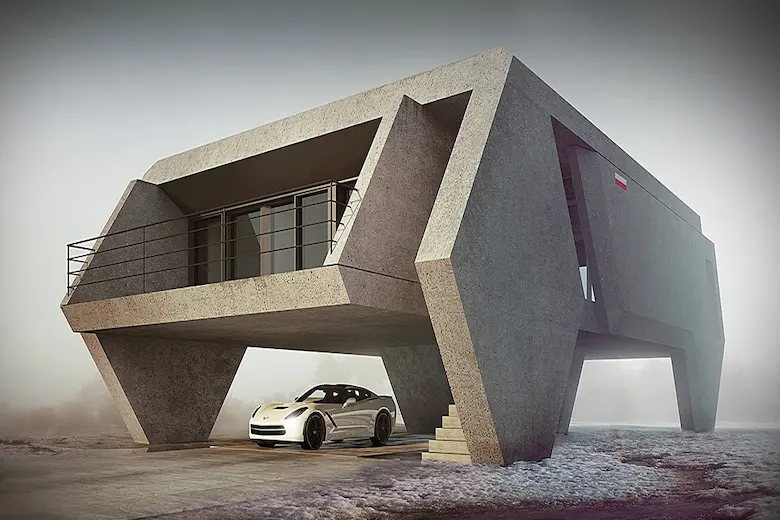
Brutalist architecture, which reached its peak in the 1950s to 1970s, is a bold, honest and unpretentious style. The word brutal is derived from the French phrase “béton brut” meaning “bare concrete”. In this style, the rigid structure of the building and the rough textures of concrete are displayed without any coating or paint to show off the strength and sustainability of the building. The massive geometric forms, the repetition of heavy blocks, and the visibility of structural elements give these buildings a sculptural and impenetrable identity that is simple yet very impressive.
Baroque Architecture
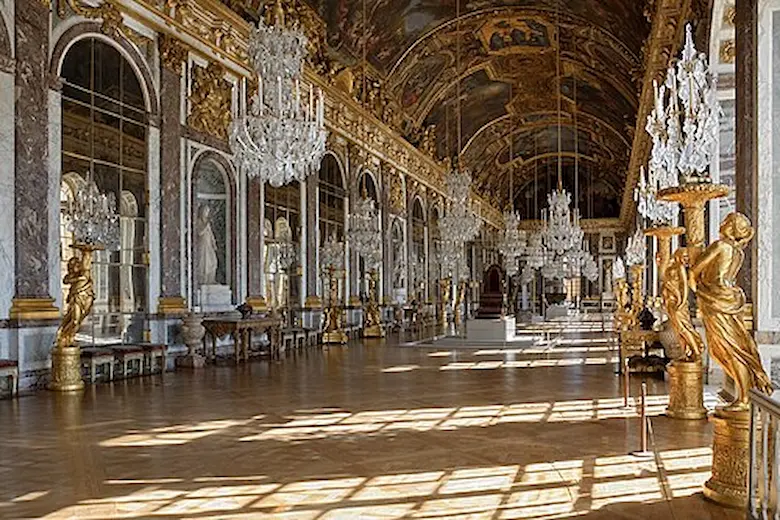
Born in Italy in the late 16th century, Baroque architecture is the epitome of luxury, movement, and theater. In this style, designers use curved forms, massive domes, and the play of light and shadow (Chiaroscuro) to create a dramatic atmosphere that astounds the viewer. Rich details, painted ceilings with deep perspectives, and extensive use of gilding and precious stones made this style a means of displaying power and wealth. Every building in the Baroque style is like a stage that challenges human emotions.
Art Deco Architecture
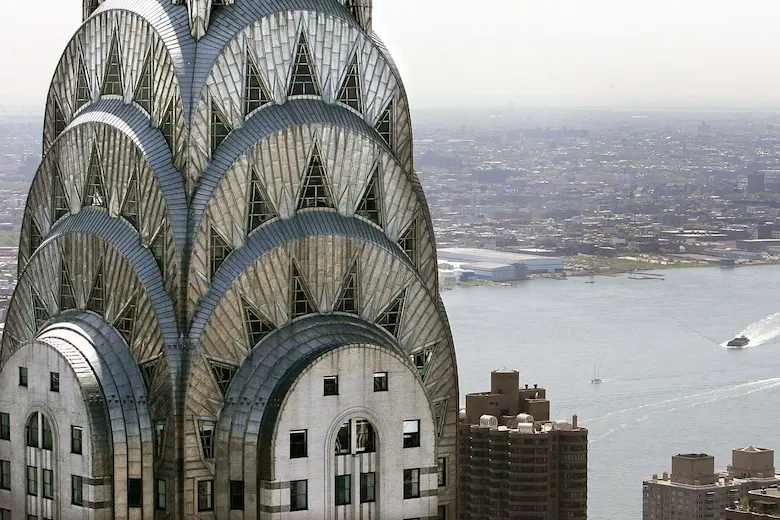
Art Deco is a style that symbolized modernity, speed, and technological advancement in the 1920s and 1930s. This style is known for its use of smooth lines, stepped forms (Ziggurats), and abstract geometric patterns. Materials such as aluminum, stainless steel, and decorative glass have a special place in this style. Art Deco is a combination of traditional art and industrial spirit that was crystallized in the famous skyscrapers of its time with a shiny and stylish appearance and conveyed a sense of optimism for the future.
Parametricism Architecture
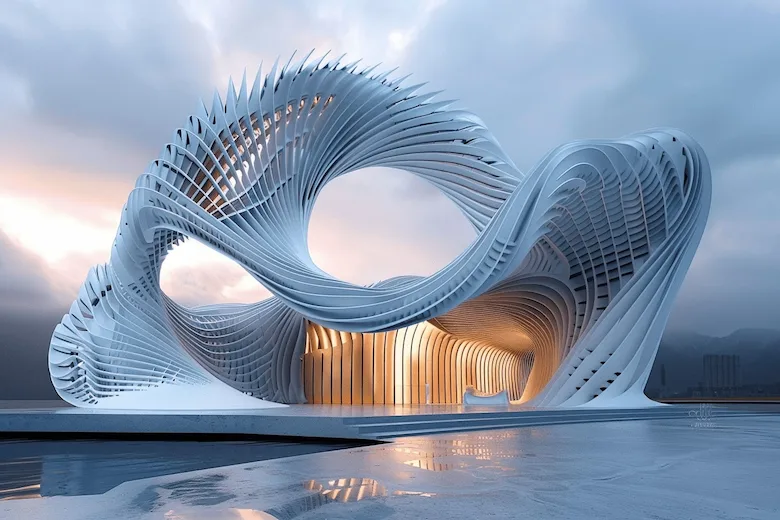
Parametric architecture is the newest and most advanced style of the 21st century, which is based on computer algorithms and complex mathematical calculations. In this style, instead of using rigid geometric shapes (such as squares or triangles), fluid, curved, and organic forms are used that seem to be moving and changing. These buildings are designed with inspiration from the structures of nature and, due to their technical complexity, their implementation is possible only with the use of advanced simulation software and modern materials.
Neoclassical Architecture
The Neoclassical Architecture style, which emerged in the mid-18th century as a reaction against the excessive luxury of the Baroque, is the concrete embodiment of a return to the high values of ancient Greece and Rome with a rational and logical outlook. Relying on precise geometric principles, perfect symmetry and the use of massive columns in the Doric, Ionic and Corinthian orders, this style inspires a sense of dignity, stability and unshakable power to the viewer. In neoclassical design, simple and wide walls replace busy decorations and the main emphasis is on smooth lines, golden proportions and triangular entablatures at the entrance of buildings, which give a formal and academic identity to the space.

Final Words
As you can see, in this article we have thoroughly introduced types of architecture styles. We have learned that examining types of architecture styles shows that architecture is a dynamic and ever-changing art. No style is complete on its own, but each one has been a response to the necessities of the times and the aesthetic ideals of its architects. Today, modern architecture, by combining these historical teachings and modern tools, seeks to create spaces that, in addition to being visually beautiful, are compatible with the environment and enhance the quality of human life. Thank you for your support.
Nobility Construction Group specializes in construction consulting, kit house construction, decoration design, LSF structure construction, creating various types of Thermowall wooden wall coverings, as well as asset and property management and operates in Greece. Dear friends, you can contact us through communication bridges for more information and free consultation. You can also visit our projects page to get more complete information about us and learn about our services. We are ready to introduce you to current issues in the construction world on the Nobility Construction blog.